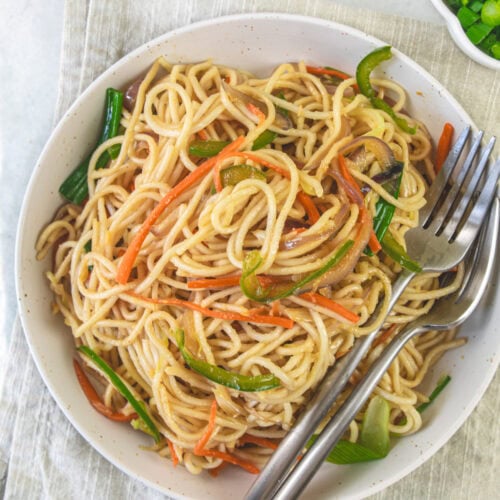
Veg Hakka Noodles Recipe (Indo-Chinese Style)
The BEST veg hakka noodles you'll make at home — crispy-tender vegetables, perfectly cooked noodles with separate strands, and that signature Indo-Chinese flavor that hits every single time. Ready in just 30 minutes, all in one wok.
Servings 3
Calories 384kcal
Ingredients
- 150 grams Chings Hakka noodles
- 3 tablespoons Oil
- 1 tablespoons Garlic minced
- 2 teaspoon Ginger minced
- ½ cup Red onion sliced
- ½ cup Cabbage shredded
- ½ cup Green bell pepper (Capsicum) thinly sliced
- ½ cup Carrot julienned
- 1 tablespoons Soy sauce
- 1 teaspoon Chili sauce or hot sauce
- Salt to taste
- ½ teaspoon Black pepper powder
- ⅓ cup Spring onion greens cut into ½ inch long pieces
- ½ teaspoon White distilled vinegar
Instructions
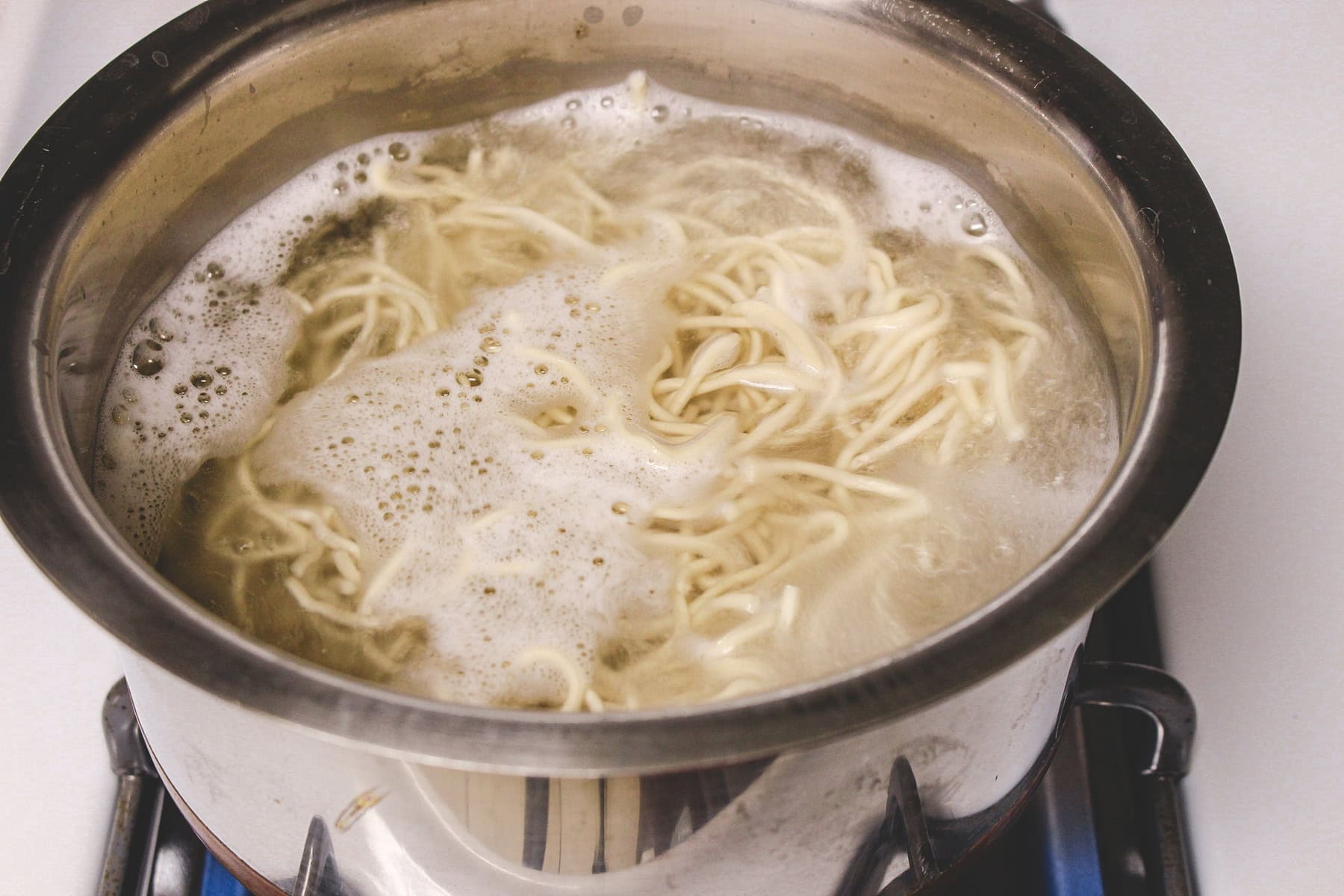
- Boil the Noodles (The Most Important Step): Bring a large pot of water to a full rolling boil. Add a pinch of salt and a drop of oil. Add the Ching's hakka noodles and cook for 1 minute less than the package instructions — this is called al dente. The noodles will continue cooking for a few seconds after you drain them, so pulling them out early means they'll be perfectly cooked by the time they go into the wok.
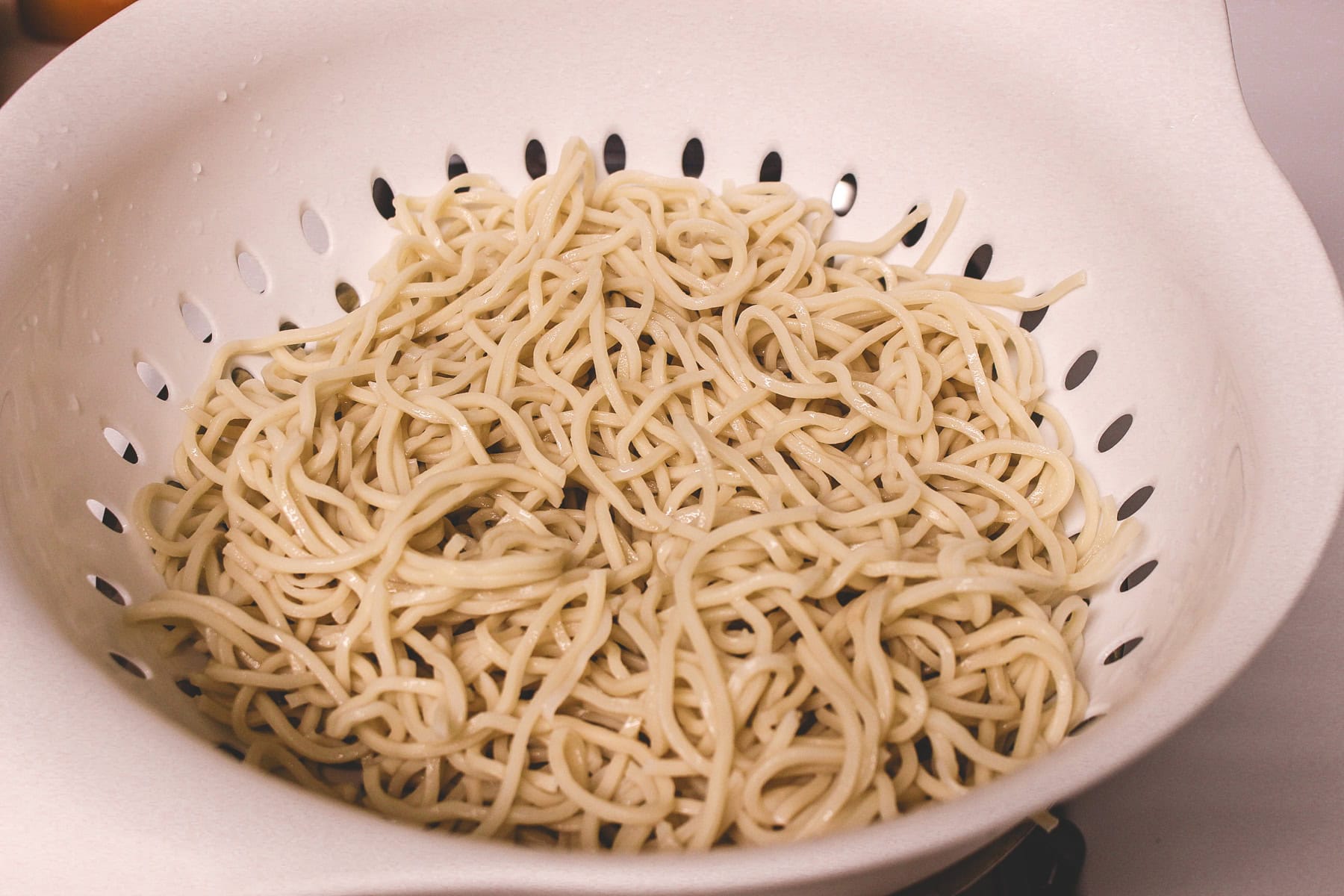
- Immediately drain through a colander and run under cold running water for at least 30 seconds, tossing with your hands. This does two things: stops the cooking process completely and washes off excess surface starch (which is what makes noodles clump together). Drain well.
- Drizzle 1 teaspoon of oil over the drained noodles.
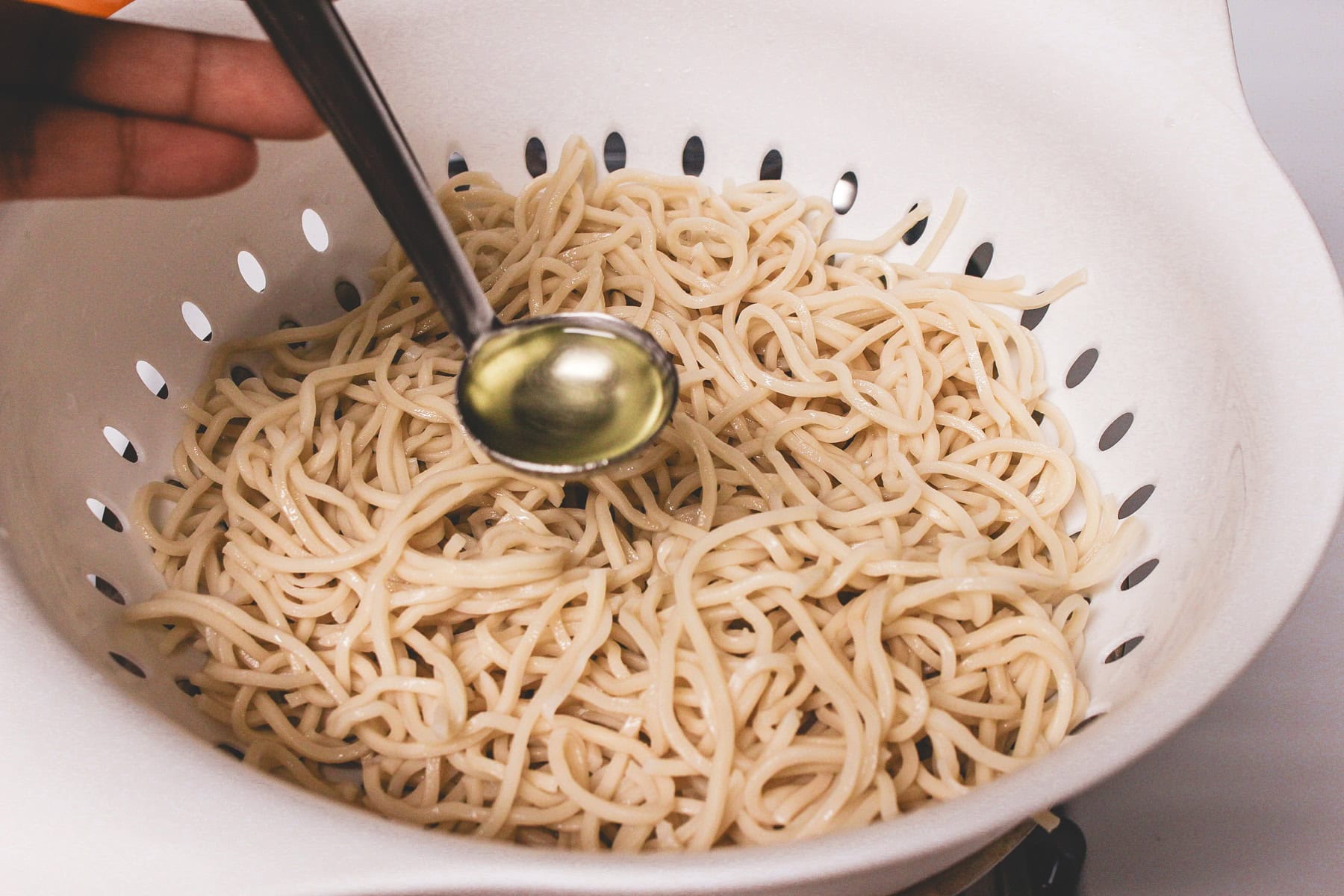
- and toss gently with a fork or your hands until every strand is lightly coated. Set aside. This is the step that guarantees separate, glossy noodle strands rather than a clumped mass.
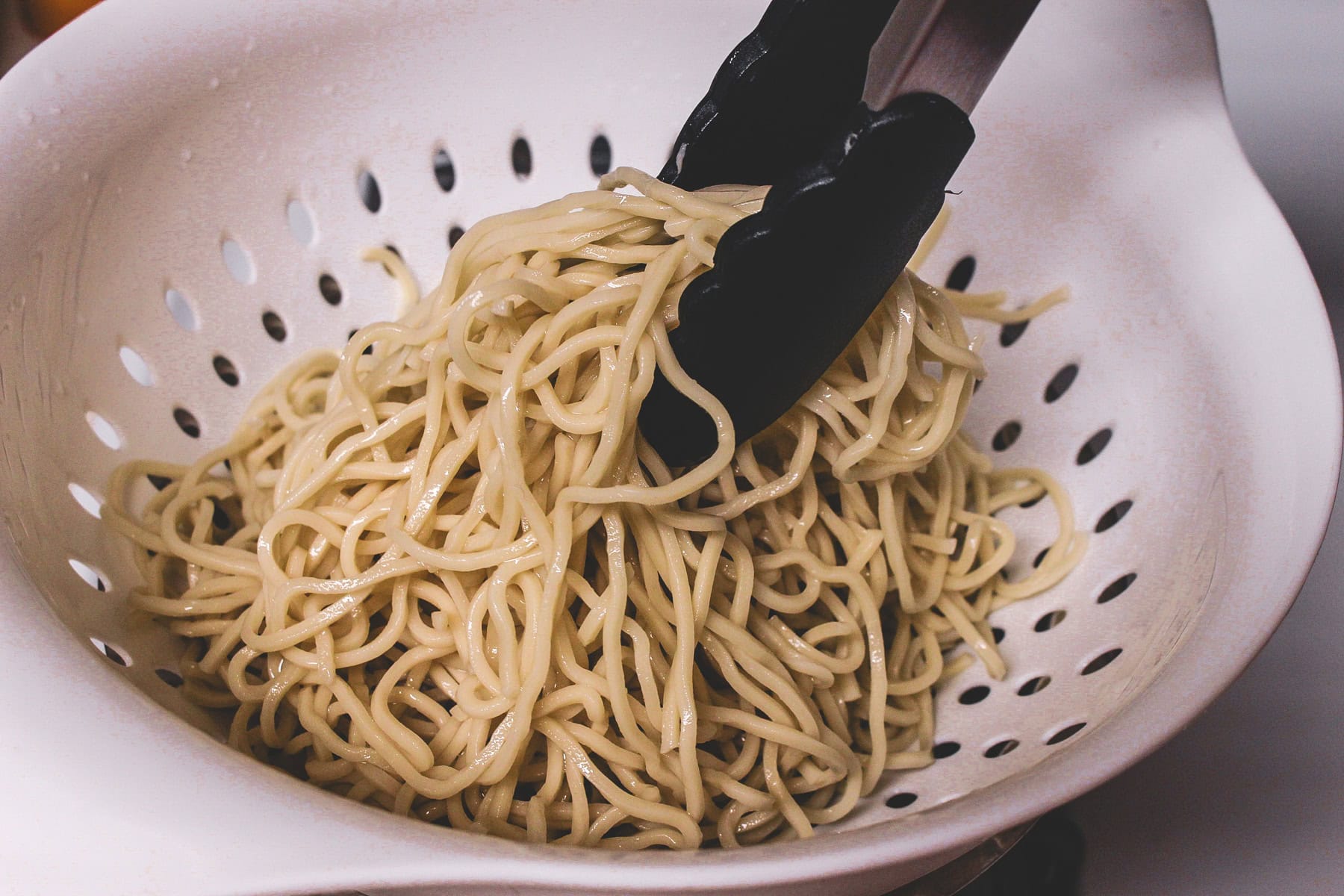
- Prep All Vegetables: Make sure all vegetables are cut and ready in separate small bowls or piles before you start cooking. Measure out the soy sauce, chili sauce, salt, and pepper and keep them together. Keep the spring onion greens and vinegar separate (they go in last).
- Heat the Wok/Cast Iron Pan Until Very Hot: Heat a large wok or wide cast iron pan on medium-high heat. Let it heat for at least 1–2 minutes until it is properly hot. Add the 3 tablespoons of oil. Let the oil heat for about 30 seconds.This is the most important step for restaurant-style flavor. A properly preheated wok and hot oil is what creates the characteristic slightly smoky, dry flavor of good hakka noodles — called "wok hei" (breath of the wok). A pan that's not hot enough causes everything to steam and stew instead of stir-fry, which is why home versions often taste flat and wet.
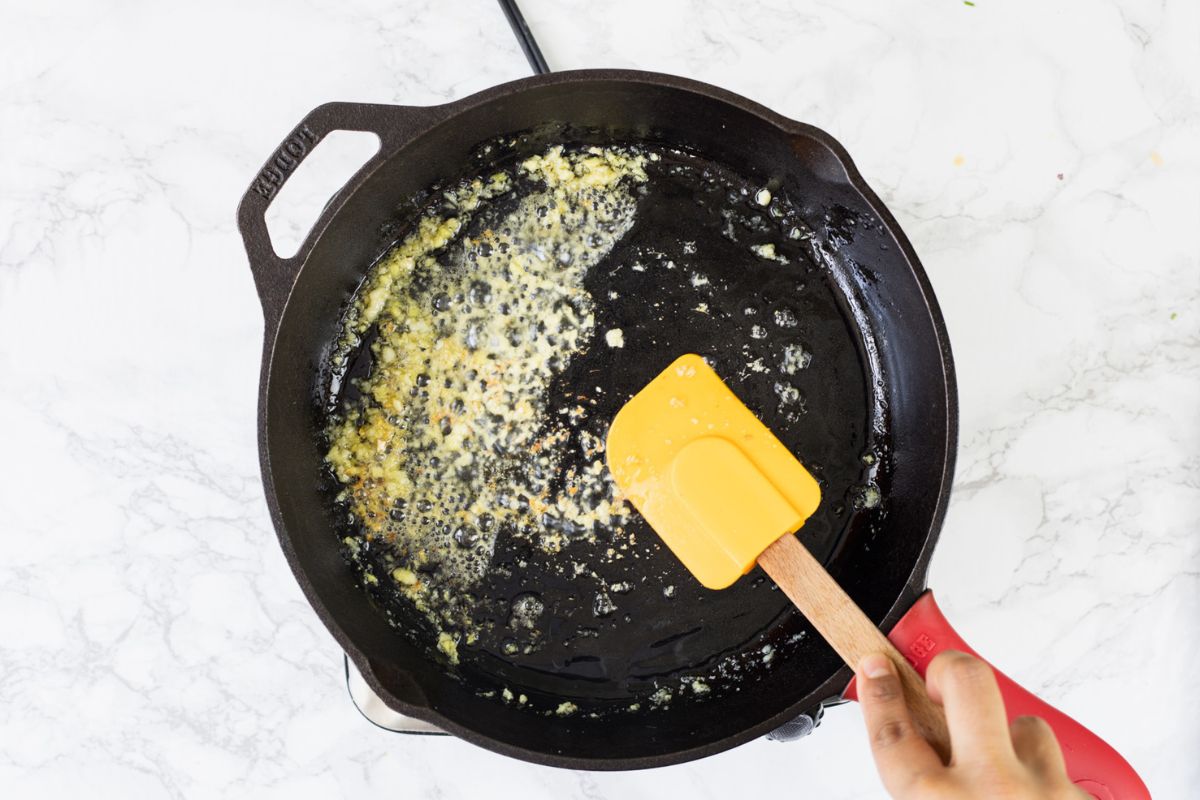
- Sauté Ginger and Garlic: Add the minced ginger and garlic to the hot oil all at once. Stir and sauté for exactly 1 minute, stirring constantly. The garlic should turn fragrant and just barely golden at the edges — not brown, not burnt. Burnt garlic will make the entire dish bitter.
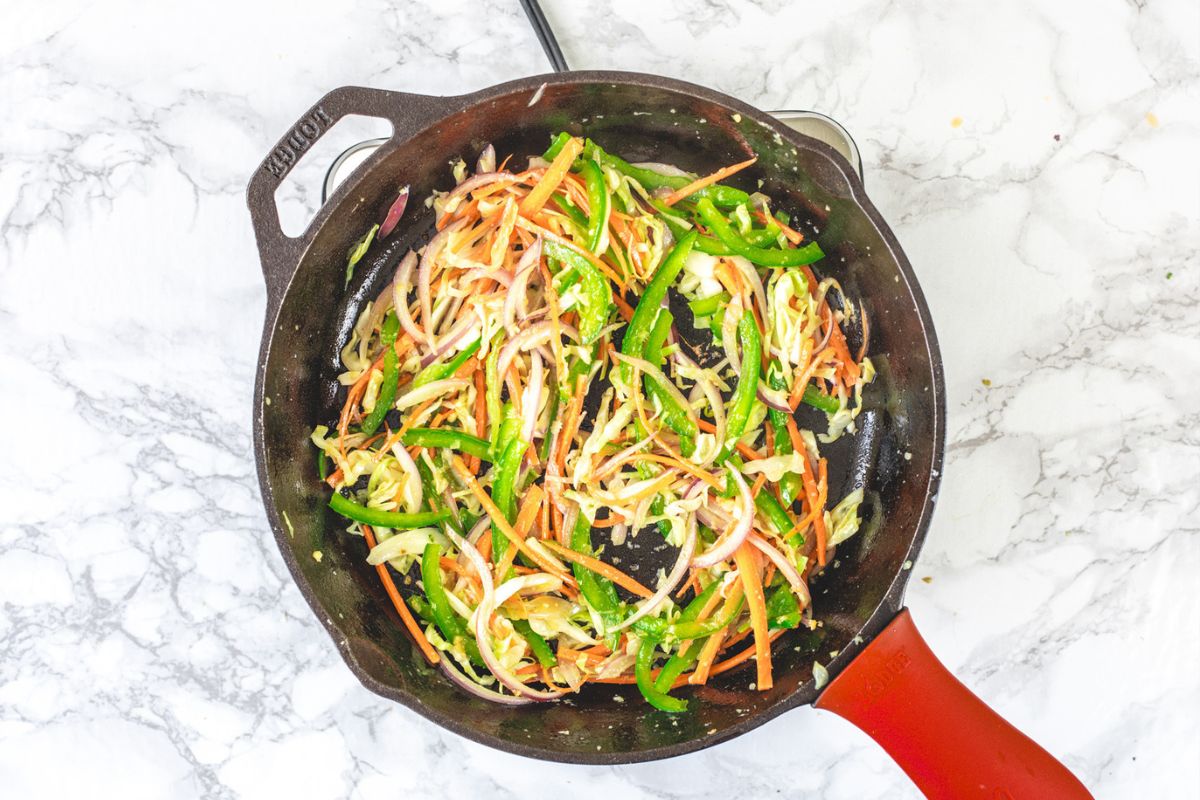
- Stir-Fry the Vegetables: Add all the vegetables at once — onion, cabbage, green bell pepper, and carrot. Toss and stir-fry on medium-high heat for 4–5 minutes, stirring and tossing frequently. The vegetables should soften slightly but still have a firm bite — you want crisp-tender, not soft and limp.
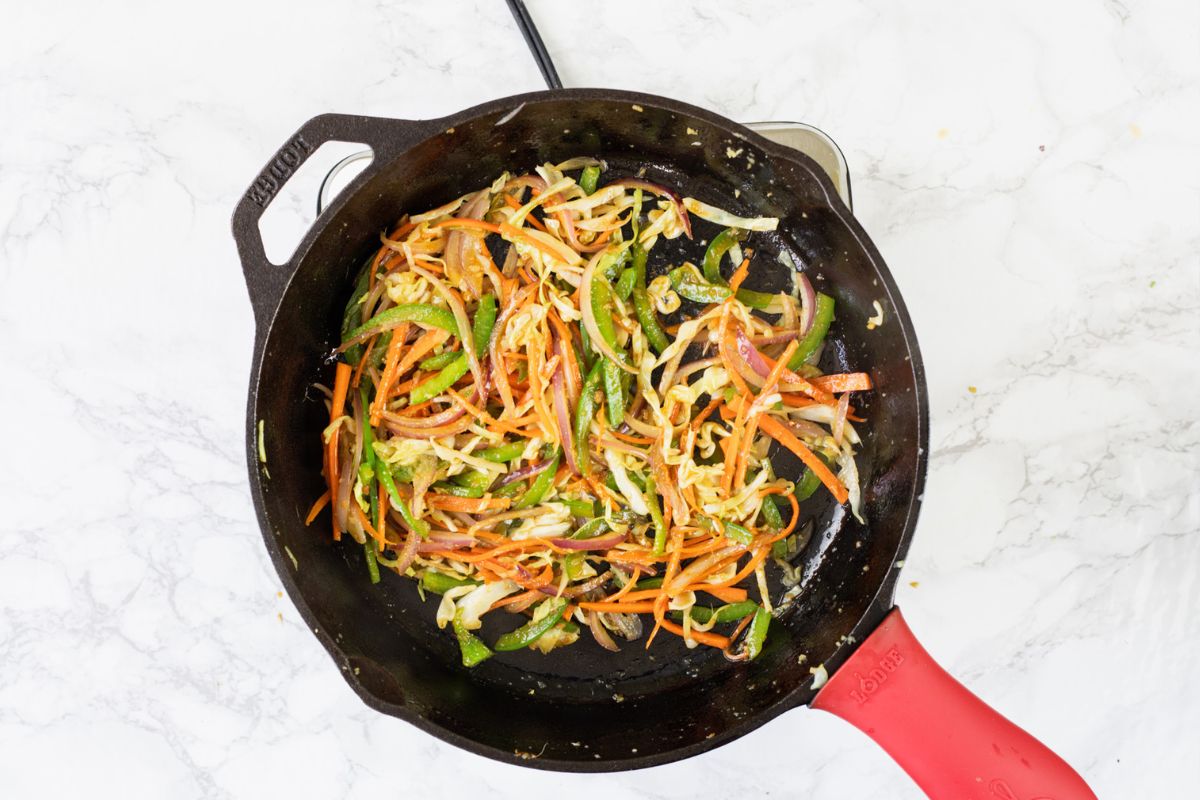
- Add the Sauces: Add the soy sauce, chili sauce, salt, and black pepper powder. Toss everything together quickly so the sauces coat all the vegetables evenly. Taste a small piece of vegetable — it should taste lightly seasoned and flavorful. Adjust salt or chili at this point if needed.
- Add Noodles, Spring Onions, and Vinegar: Add the prepared noodles, spring onion greens, and vinegar all at once.
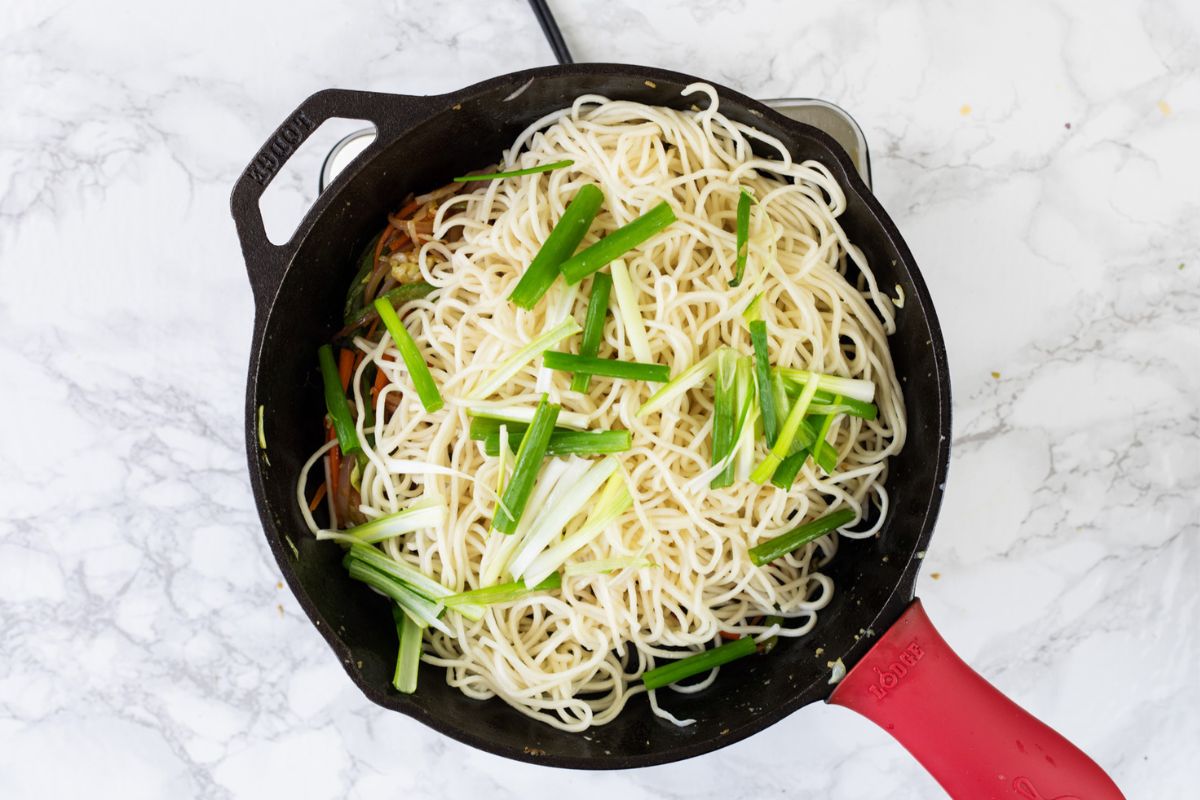
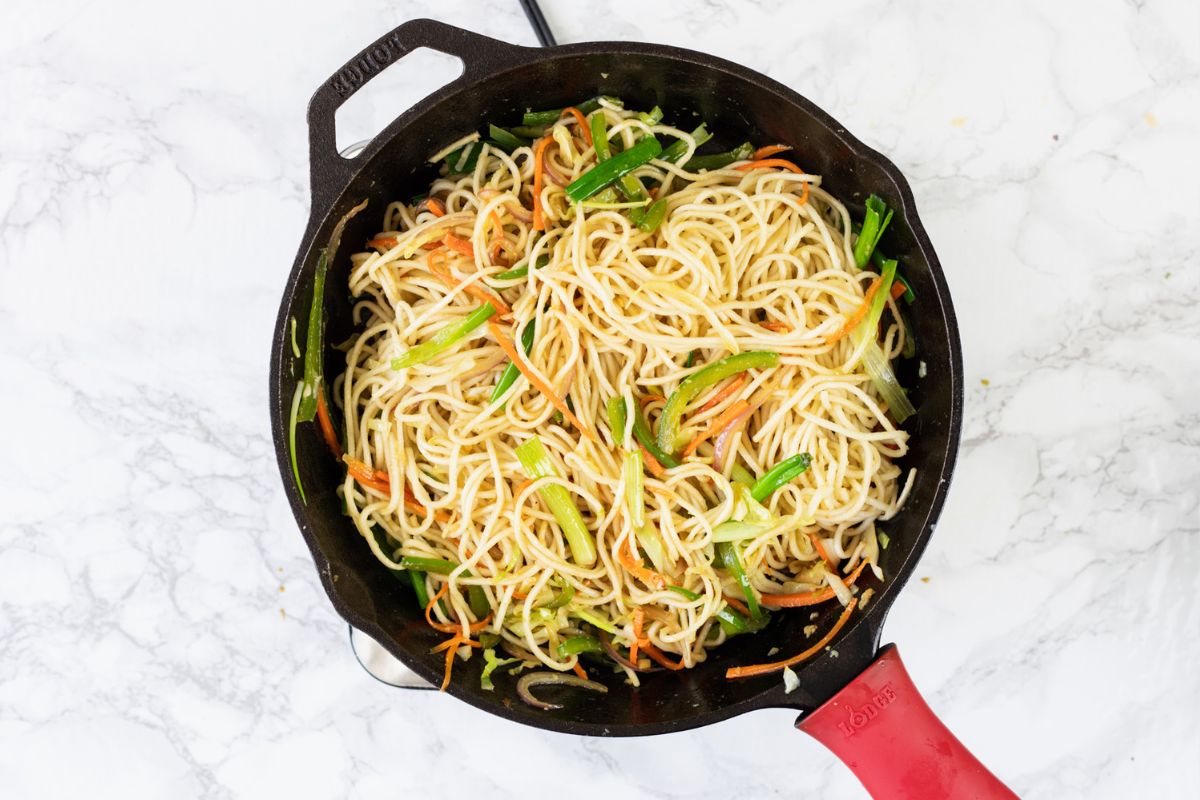
- Using tongs or two large spoons, toss everything together until the noodles are evenly coated with the sauce, mixed through with the vegetables, and heated through.
Notes
- Be careful not to over-toss noodles — too much mixing breaks the noodle strands. Toss confidently but gently.
- Hakka noodles are always best hot, straight from the wok.
- High heat, always. Stir-frying on medium or low heat steams the vegetables instead of frying them. Use the highest heat your stove can give for the vegetable and noodle stage.
Nutrition
Calories: 384kcal | Carbohydrates: 41g | Protein: 7g | Fat: 22g | Saturated Fat: 6g | Polyunsaturated Fat: 5g | Monounsaturated Fat: 10g | Sodium: 1397mg | Potassium: 330mg | Fiber: 3g | Sugar: 5g | Vitamin A: 3798IU | Vitamin C: 31mg | Calcium: 51mg | Iron: 3mg
