
Olive Garden Alfredo Sauce (Copycat)

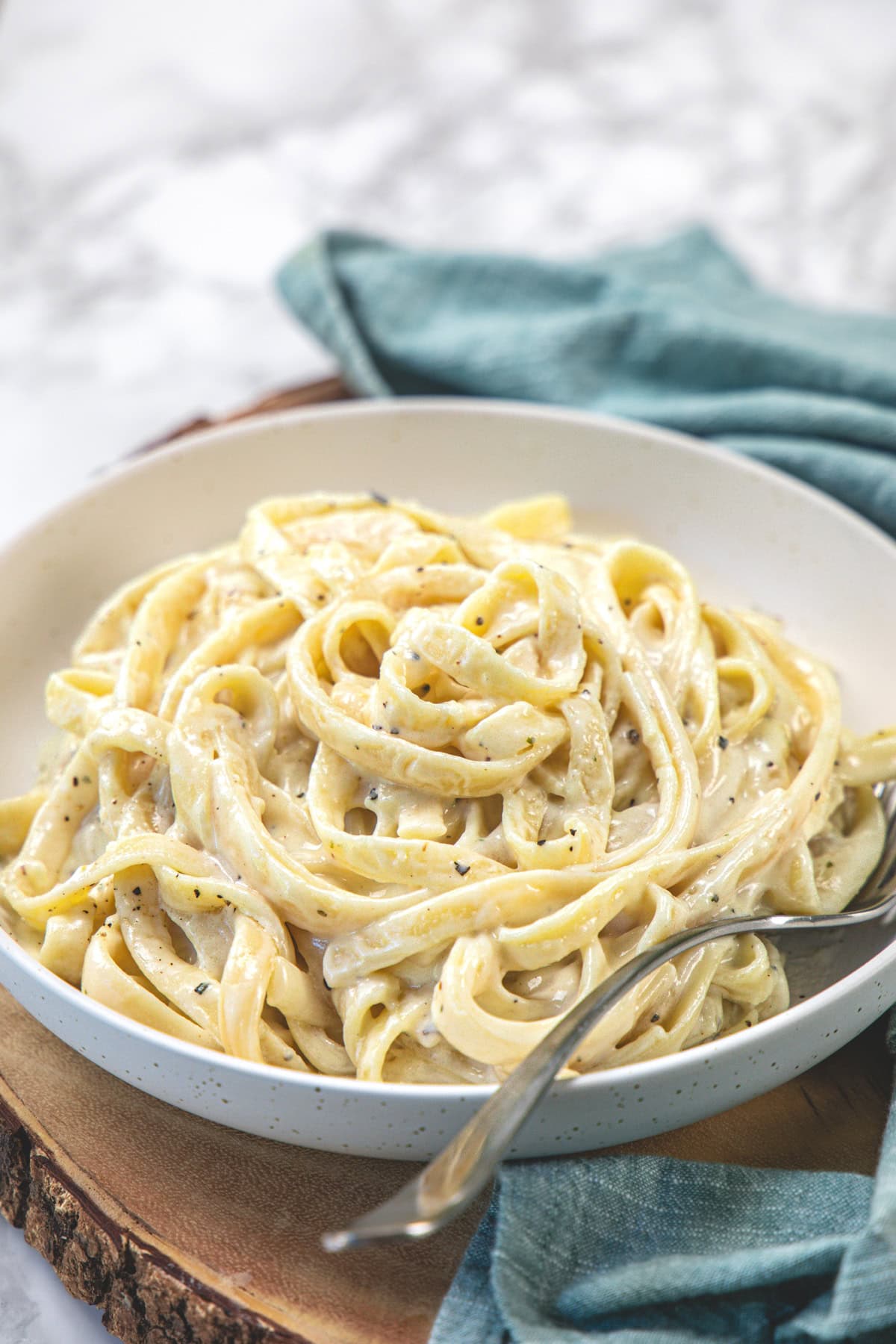
Skip the reservation. This Olive Garden Alfredo sauce copycat is richer, creamier, and honestly better than what you get at the restaurant — and it’s on the table in 20 minutes. Whether you’re having a cozy Italian dinner or just want a comforting bowl of fettuccine Alfredo, this recipe is perfect.
- Flavor: Rich, buttery, garlicky, with a subtle Italian herb finish
- Texture: Thick, silky, and perfectly coating (clings) to every strand of fettuccine
About Olive Garden Alfredo Sauce Recipe
Olive Garden’s Alfredo sauce is a creamy garlic-Parmesan white sauce made with butter, heavy cream, and freshly grated Parmesan cheese — served over fettuccine pasta. It is one of the most ordered dishes at Olive Garden and one of the most searched copycat recipes in the US.
A bit of history: The original Alfredo sauce was created in Rome in the early 1900s by Alfredo di Lelio. His version was purely butter, fresh pasta, and Parmigiano-Reggiano emulsified with hot pasta water — no cream, no garlic, no flour. When Italian-American restaurants adapted it for American palates, cream, garlic, and extra cheese entered the picture. Olive Garden’s version goes further, using a blend of heavy cream and whole milk, garlic, and a generous amount of Parmesan. More details here.
How is this copycat different from authentic Italian Alfredo? Authentic Roman fettuccine Alfredo uses only three ingredients: butter, pasta, and Parmesan. No cream, no garlic, no herbs — the emulsification happens with pasta water and tossing technique. Olive Garden’s version (and this copycat) uses a cream base and a roux to make a sauce that is much more indulgent, stable, and forgiving to make at home. Neither is “wrong” — they’re just two different dishes with the same name.
My Recipe
The Olive Garden fettuccine Alfredo was many of our first introductions to “fancy” pasta — the kind that feels like a treat even at a chain restaurant. This copycat version has two things that set it apart from most other recipes online:
- First — it uses a roux. Butter, garlic, and a small amount of flour cooked together before the dairy goes in. Most basic copycat recipes just combine butter, cream, and cheese. The roux gives you a stable sauce that doesn’t break, doesn’t separate, and stays creamy even as it cools. It also means less cheese is needed to get the right thickness.
- Second — Italian seasoning. Most copycat recipes stop at salt and pepper. A small amount of Italian seasoning adds a subtle herby warmth that — interestingly — is closer to what Olive Garden’s sauce actually tastes like in the restaurant. It’s a small detail that makes a noticeable difference
⭐ Why You’ll Love This Recipe
Ingredient Notes
Complete list of ingredients and amounts is written in the recipe card below.
Tried this recipe? A star rating ⭐️ and a quick comment below help others (and me!) know how it went.
Olive Garden Alfredo Sauce Recipe (Copycat)
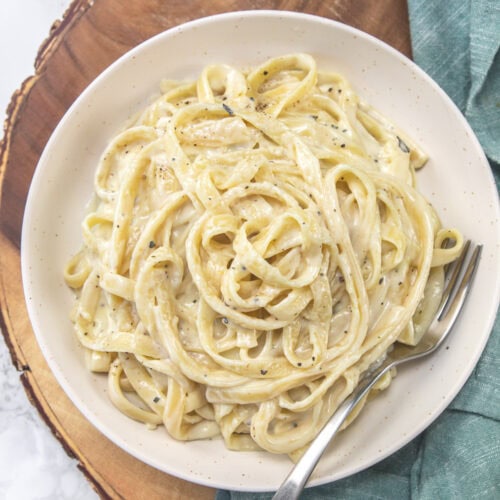
US measuring cups are used (1 cup = 240 ml)
Ingredients
- 8 oz Fettuccine
- 4 tablespoons Unsalted butter
- 3 cloves Garlic, minced
- 2 tablespoons All purpose flour (Maida)
- ¾ cup Milk, full-fat, whole milk
- 1 cup Heavy whipping cream
- ½ teaspoon Salt
- ¼ teaspoon Black pepper powder
- ½ teaspoon Italian seasoning
- ¾ cup Vegetarian parmesan cheese, freshly grated and loosely packed
Instructions
- Cook Pasta: Bring a large pot of water to a boil. Salt generously — the water should taste pleasantly salty. Add the fettuccine and cook to al dente, 1 minute less than the package directions. Before draining, scoop out ½ cup of the pasta cooking water and set aside. Drain the pasta
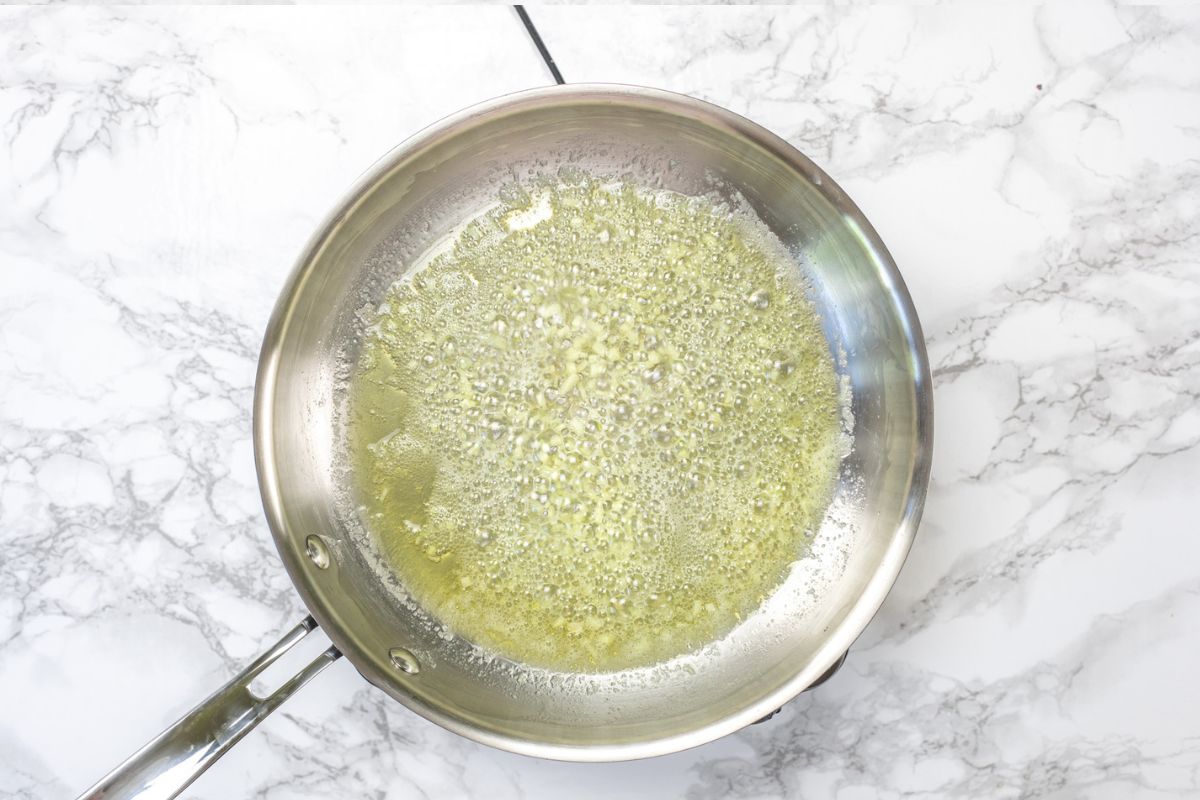
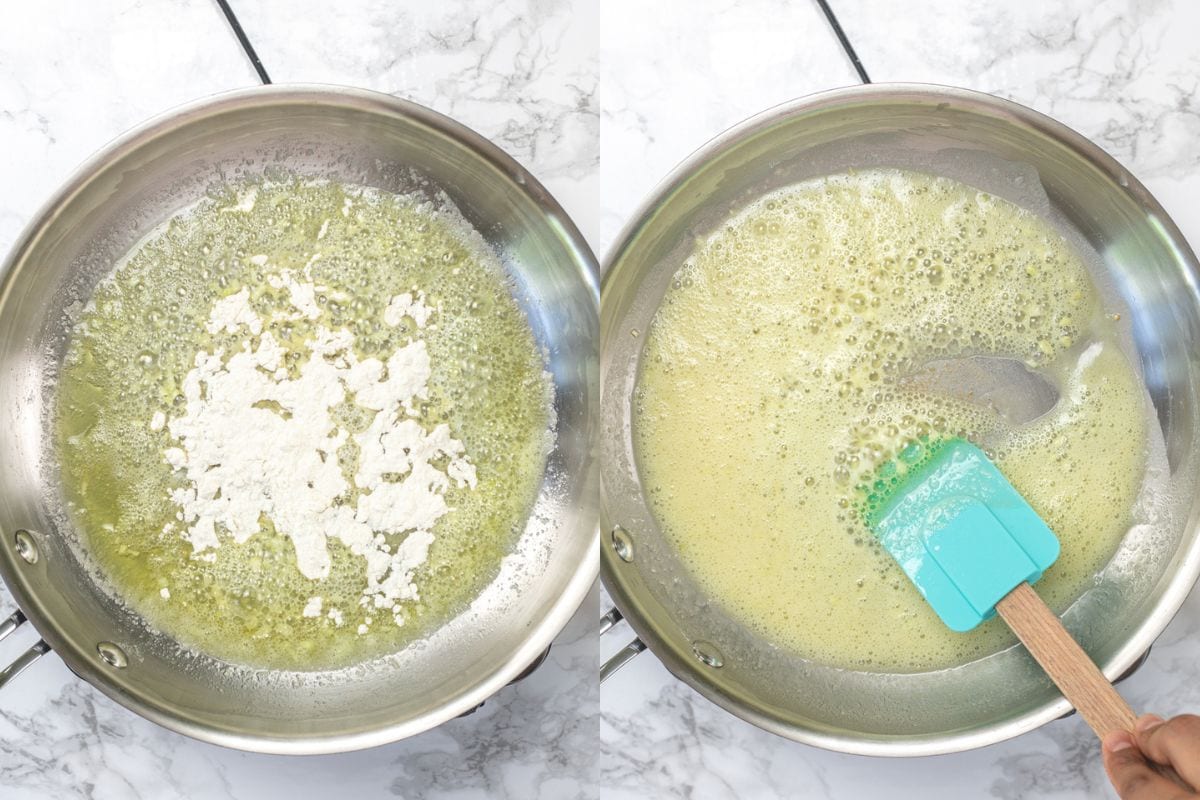
- Saute Garlic: Heat a large saucepan or skillet over medium-low heat. Add the butter. Once melted and just starting to bubble, add the minced garlic. Sauté for 1–2 minutes, stirring frequently, until fragrant and just barely golden at the edges. TIP: Watch the heat — garlic burns in seconds and burnt garlic will make the entire sauce bitter.

- Build Roux: Add the flour all at once. Stir and cook for 1–2 minutes, stirring constantly, until the mixture turns a pale golden color, smells slightly nutty, and no longer looks raw or shiny. This is your roux.
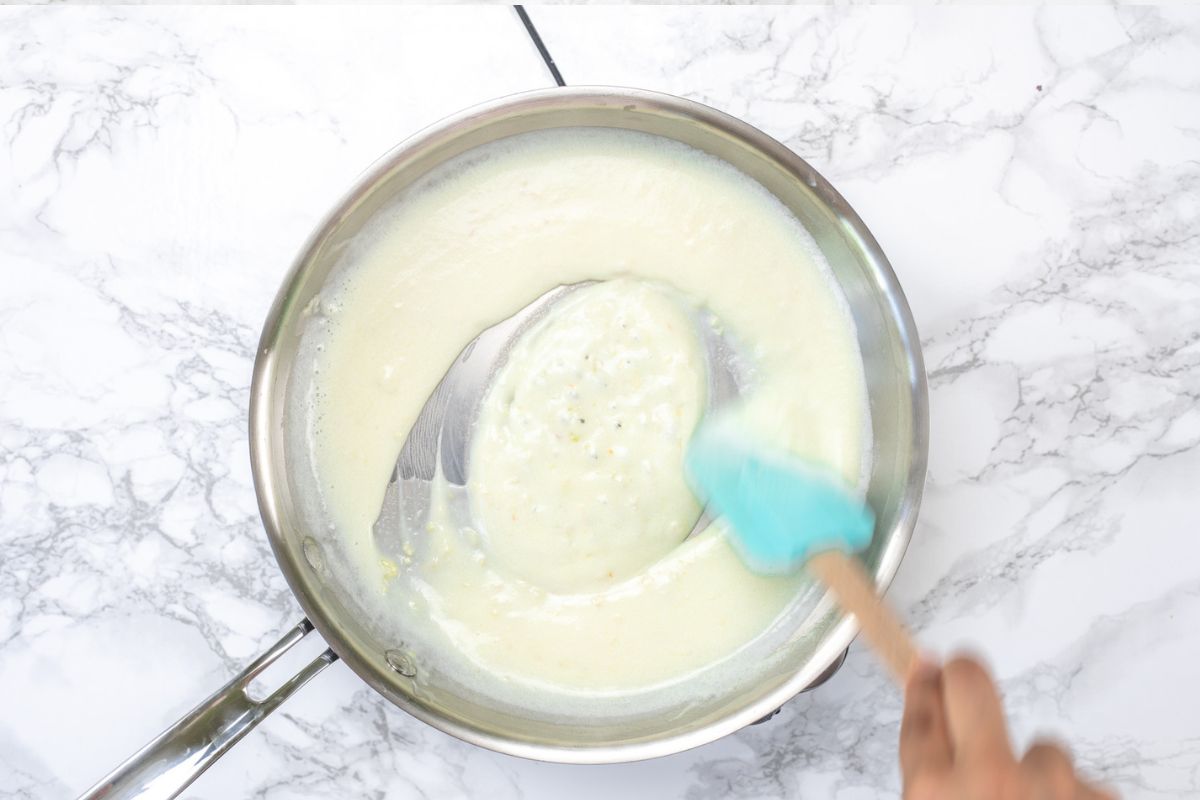
- Add Milk: Add the milk slowly, whisking vigorously to avoid any lumps. Within 3–4 minutes of adding all the milk, it should thicken noticeably. Keep the heat at medium-low throughout.
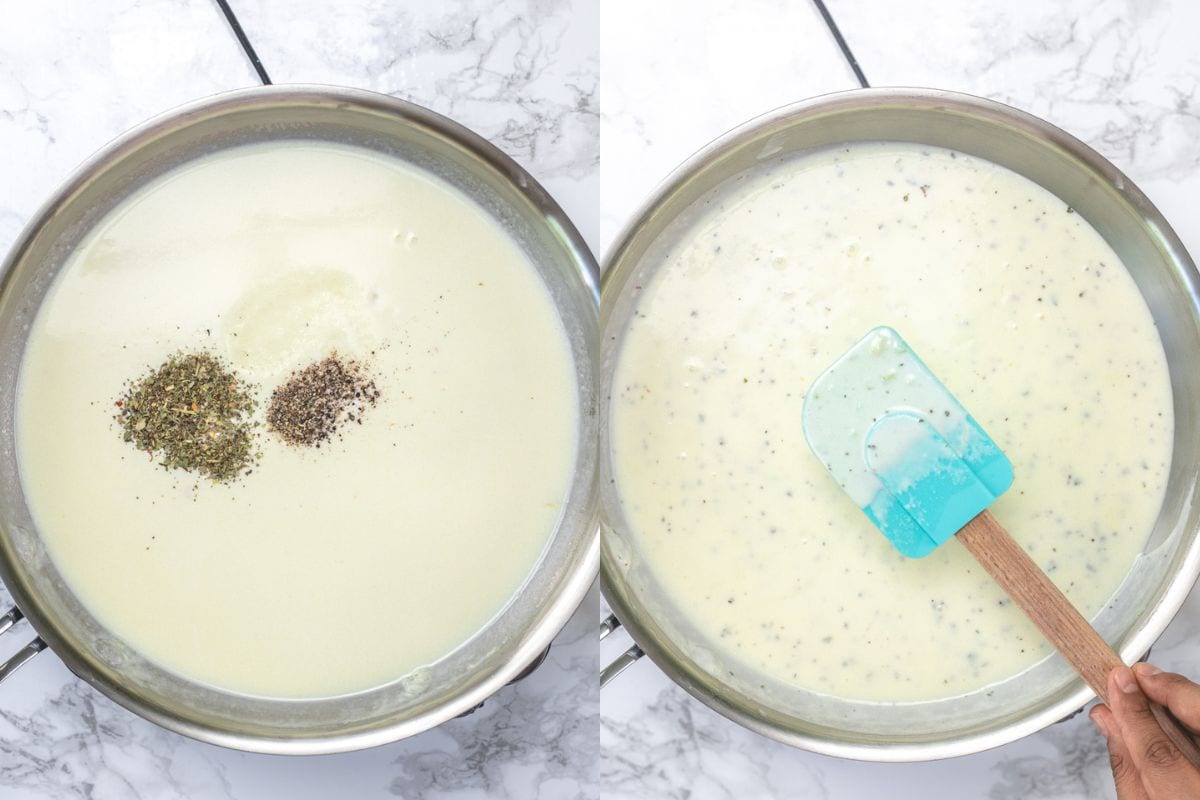
- Add the Cream and Seasoning: Pour in the heavy cream and stir to combine. Add the salt, black pepper, and Italian seasoning. Stir well. Increase heat slightly to medium and let the mixture come to a gentle bubble — not a rapid boil. Simmer for 2–3 minutes, stirring frequently, until the sauce has thickened to a consistency that coats the back of a spoon.TIP: Do not let it boil rapidly. A hard boil causes the cream to reduce too fast and can make the sauce break, turning greasy and slightly grainy. Gentle bubbles only.
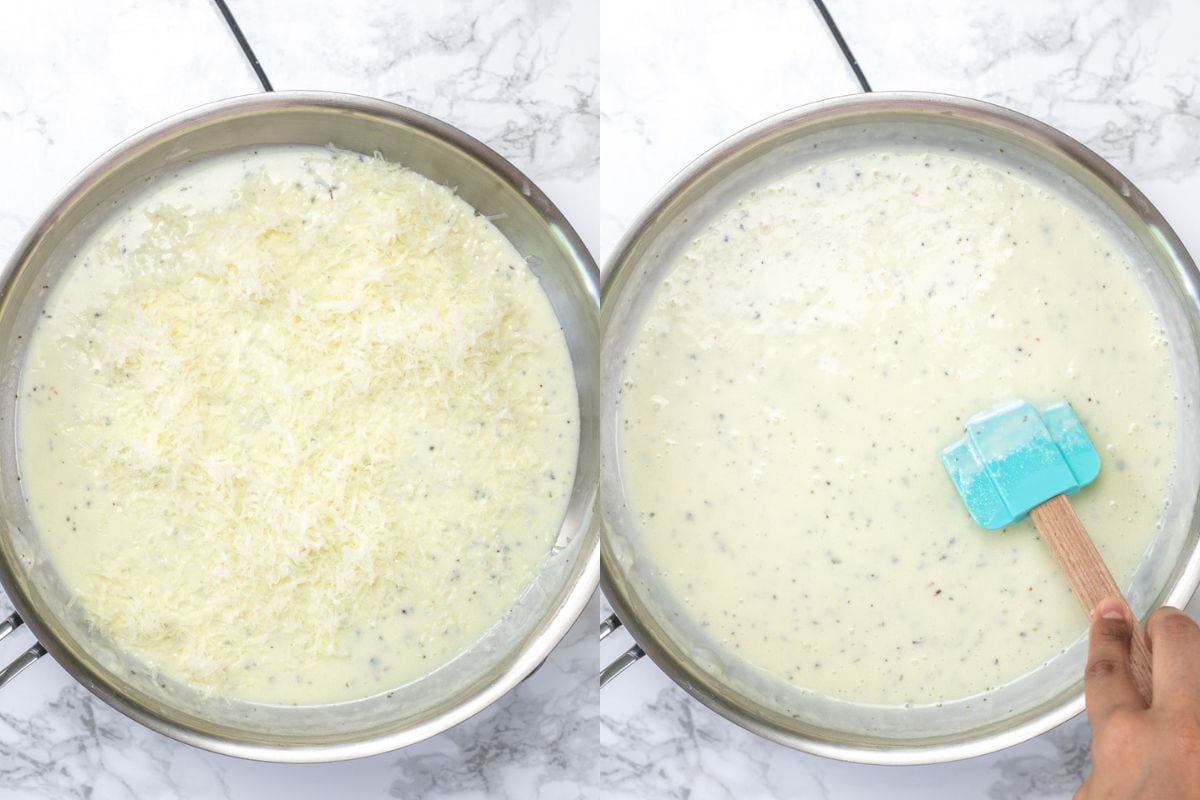
- Add the Parmesan: Add the freshly grated Parmesan in small handfuls — about 3–4 tablespoons at a time — whisking constantly and waiting for each addition to fully melt before adding the next. Adding all the cheese at once in a pile causes clumping. Go slowly and the sauce will be perfectly smooth.
- Taste and adjust salt if needed. Remember the Parmesan is salty — taste before adding any extra salt.
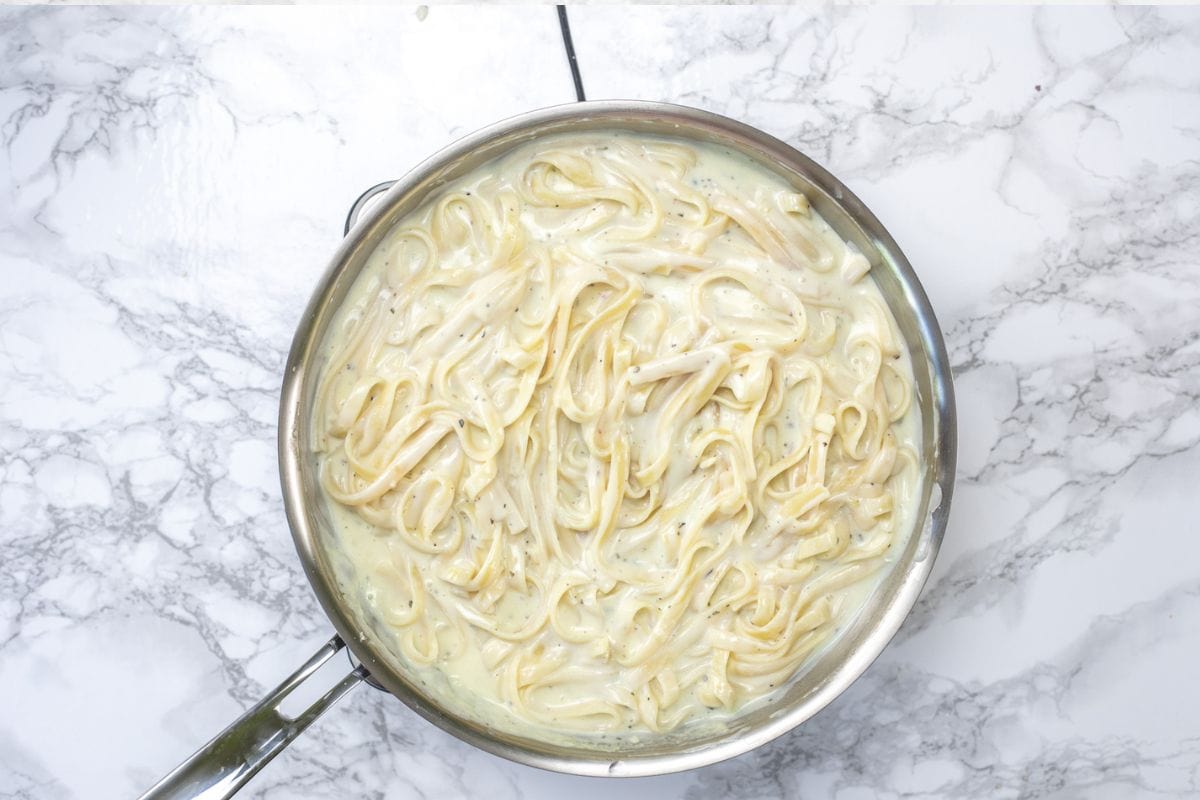
- Add Pasta: Add the cooked fettuccine directly to the pan. Using tongs, toss to coat every strand in the sauce. If the sauce looks too thick, add the reserved pasta cooking water a tablespoon at a time, tossing as you go, until the sauce reaches your preferred consistency.
Notes
- Never use pre-shredded Parmesan from a bag. It will not melt properly. The anti-caking agents in pre-shredded cheese are the single biggest cause of grainy Alfredo sauce. Buy a block, grate it yourself right before adding.
- Keep the heat medium-low the entire time. This is the most important rule. Alfredo sauce on high heat breaks — the fat separates, the cheese seizes, and you end up with a greasy, curdled mess. Low and slow wins every time.
- The sauce will look thinner than you expect in the pan — that’s correct. It thickens significantly as it cools and as the pasta starch absorbs into it. If you cook it until it looks “done” in the pan, it will be too thick once served.
- Add pasta water to save an over-thickened sauce. If the sauce becomes too thick after tossing with pasta, add reserved pasta cooking water — its starch content helps bring the sauce back together without diluting flavor the way plain water would.
- If the sauce breaks or turns greasy: Remove from heat immediately and whisk in 2 tablespoons of cold milk vigorously. This usually brings it back together. Prevention is better — keep the heat low and don’t rush.
Nutrition
🍽️ What to Serve With Olive Garden Fettuccine Alfredo
To recreate the full Olive Garden experience at home:
🧊 Storage and Reheating
❓ Frequently Asked Questions
Did you try this Olive Garden Alfredo sauce recipe? Leave a star rating and a comment below! I love hearing which variation you tried — meat/seafood protein Or vegetables or classic fettuccine? Tag me on Instagram @spice.up.the.curry

like the best alfredo i’ve ever had. my friends second this
Very happy to hear it.