
Spaghetti Aglio e Olio (Garlic and Oil Pasta)

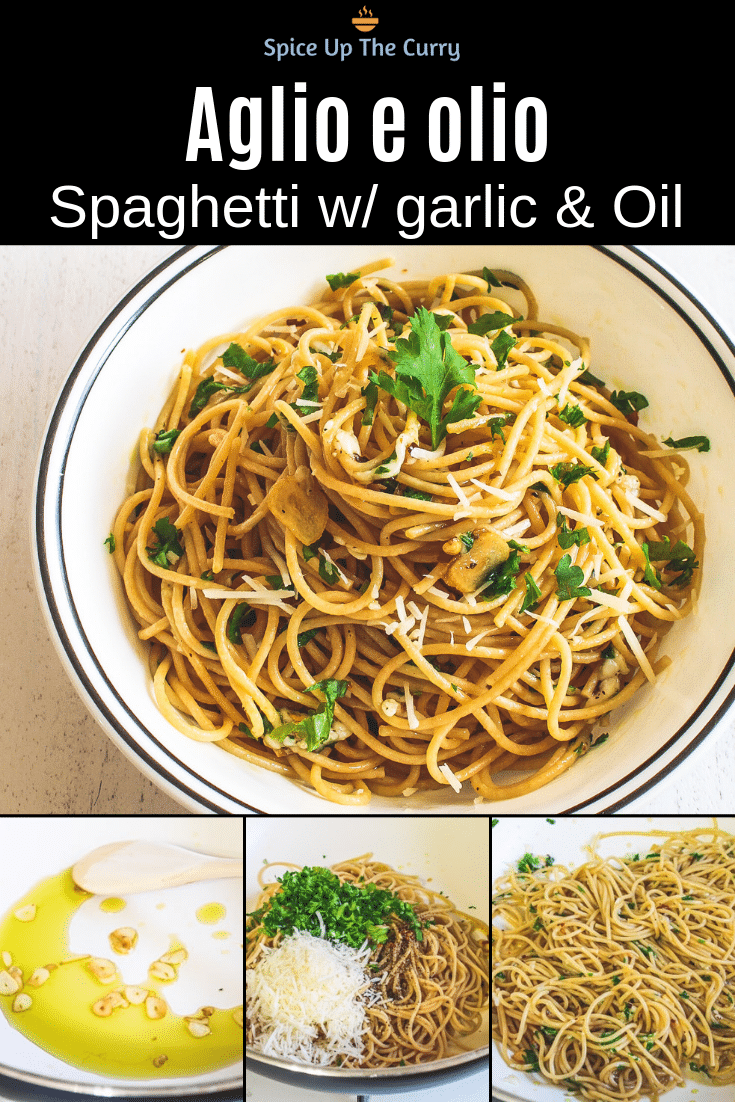
Six ingredients. Twenty minutes. One pan. This is spaghetti aglio e olio — the Italian pasta that proves extraordinary flavor does not require extraordinary effort.
Flavor: Garlicky, savory, mildly spicy with a bright finish from parsley
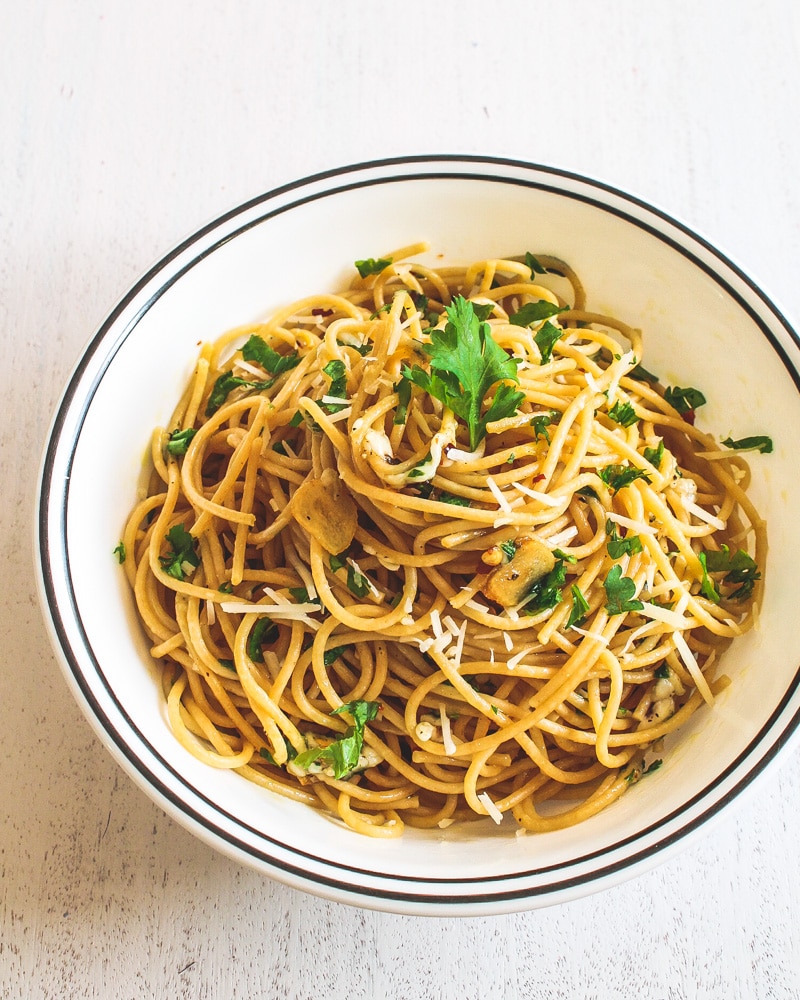
Texture: Silky, glossy sauce that coats every strand — not oily, not dry
What is Spaghetti Aglio e Olio?
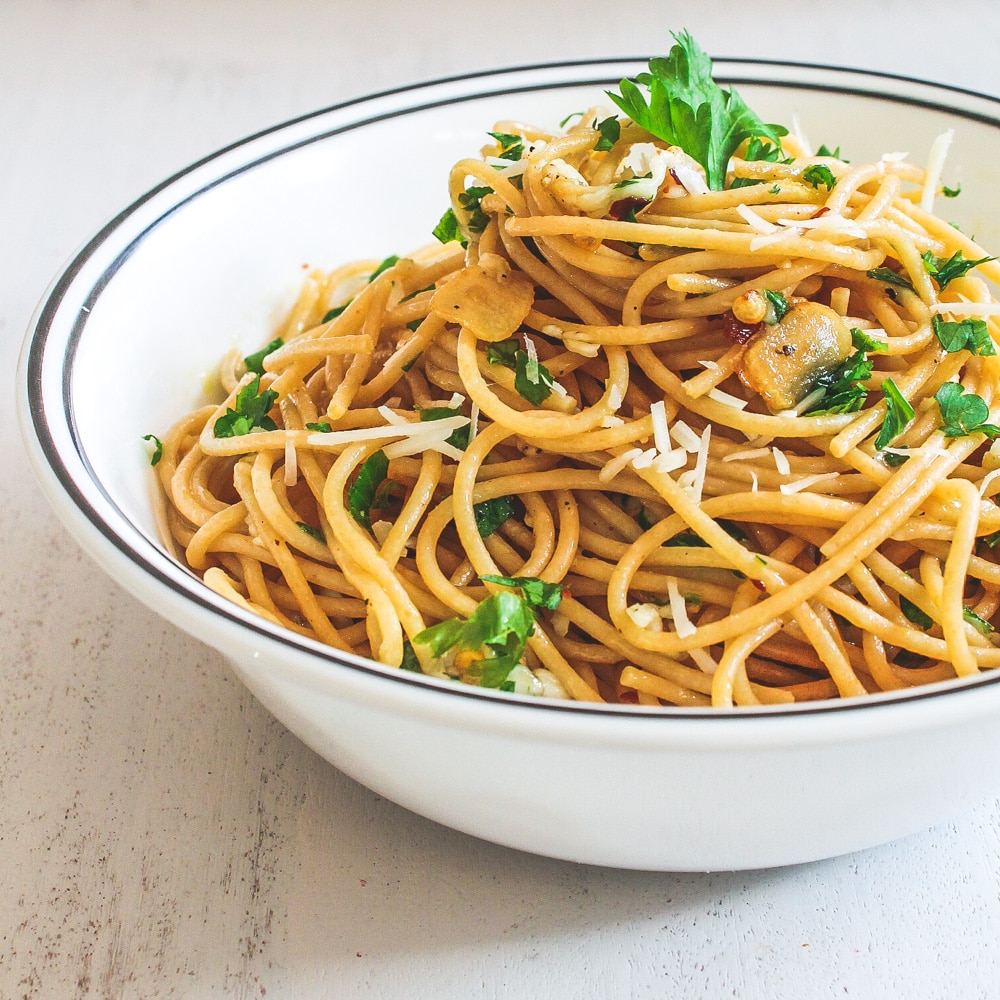
Spaghetti aglio e olio (pronounced ah-lyo ay OH-lyo) is a traditional Italian pasta dish from Naples (Napoli) in southern Italy. The name is simply Italian for “garlic and oil” — aglio means garlic, olio means oil.
It is one of the oldest and most iconic pasta dishes in Italian cooking: spaghetti tossed with garlic infused in extra virgin olive oil, red pepper flakes, parsley, and — most importantly — starchy pasta cooking water that emulsifies everything into a silky, light sauce.
How do you pronounce “aglio e olio”? Ah-lyo ay OH-lyo. The “gli” in Italian makes a sound similar to the “lli” in “million.” It is worth learning to say correctly — partly out of respect for the dish, partly because it is a very satisfying phrase to say.
About This Recipe
Spaghetti aglio e olio is one of the few pasta dishes where the technique matters far more than the ingredient list. Anyone can buy garlic and olive oil. What separates a silky, restaurant-quality plate from greasy, flat pasta is two things:
- 1. Starting the garlic in cold oil — not a preheated pan. Most recipes tell you to heat the oil first, then add the garlic. I do the opposite — I place the sliced garlic in cold olive oil, then slowly bring them up to temperature together. This method is more gentle and forgiving. The garlic infuses the oil slowly as everything heats, developing a mellow, sweet, toasted garlic flavor. It also gives you a much wider window before the garlic burns — which is the most common mistake in this dish.
- Pasta water — the secret ingredient that is already in your pot. The starchy, salted water that your pasta cooked in is not waste. It is the sauce. When you add a generous splash of pasta water to the garlicky oil and toss vigorously, the starch in the water emulsifies with the oil — creating a silky, glossy sauce that clings to every strand. Without pasta water, you have oily pasta. With it, you have aglio e olio. This step is non-negotiable.
⭐ Why You’ll Love This Recipe
🧾 Ingredient Notes
Complete list of ingredients and amounts is written in the recipe card below.
Tried this recipe? A star rating ⭐️ and a quick comment below help others (and me!) know how it went.
Spaghetti Aglio e Olio Recipe (Garlic and Oil Pasta)
US measuring cups are used (1 cup = 240 ml)
Ingredients
- 1 lb Spaghetti
- 6 tablespoons Olive oil
- 6 large cloves Garlic, thinly sliced
- ½ teaspoon Red chilli flakes, or to taste
- Black pepper, freshly crushed, to taste
- Salt, to taste
- 3 tablespoon Parsley, finely chopped
- ⅔ cup Vegetarian Parmesan Cheese, grated
Instructions
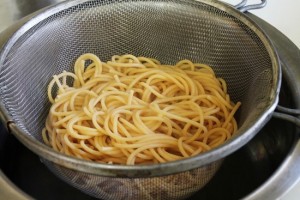
- Cook the Pasta: Bring a large pot of water to a full rolling boil. Add a generous amount of salt — the water should taste pleasantly salty, almost like mild seawater. The salt is not just for flavor; the salt is part of what makes the pasta water starchy and flavorful enough to create the sauce.Add the spaghetti and cook as per the package instructions. Stir occasionally, especially in the first 2 minutes, to prevent sticking.

- Save the Water: Before draining, scoop out at least 1 cup of the pasta cooking water using a mug or ladle and set it aside. This is the most important step in the recipe — do not skip it. Then drain the pasta.
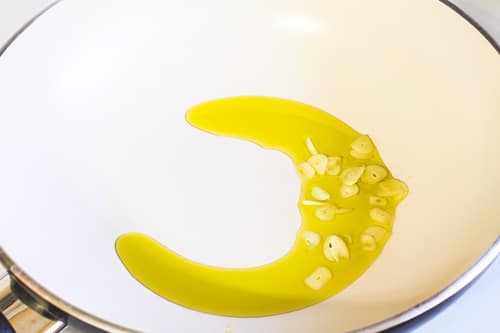
- Set Up the Garlic and Oil — Cold: Place the thinly sliced garlic and the olive oil in a large, wide pan or skillet. Both the pan and the oil should be at room temperature — not preheated. This is the cold-start method.

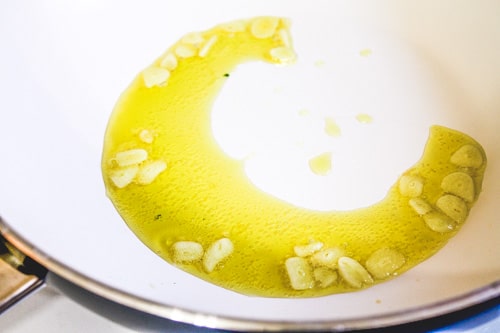
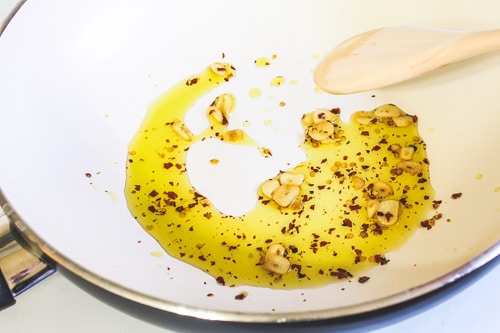
- Toast the Garlic Slowly: Turn the heat to medium. As the oil and garlic heat up together, the garlic will begin to sizzle gently and release its aroma into the oil. Once you see the oil beginning to bubble around the garlic slices, lower the heat to medium-low.
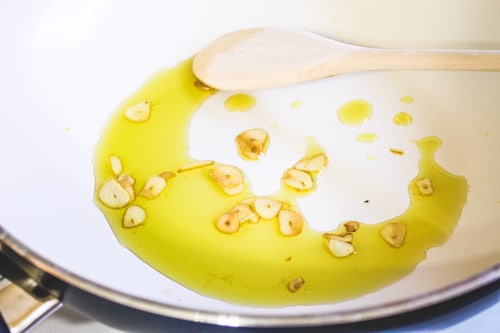
- Continue cooking, watching carefully, until the garlic is light golden brown — pale and toasted, not dark brown. This takes about 5–7 minutes on medium-low heat. The garlic should smell nutty and sweet, not sharp or acrid.Light golden = perfect. Too pale = raw, sharp garlic taste. Dark brown = bitter.
- Add Chili Flakes Off the Heat: Once the garlic is light golden, turn the heat completely off. Add the red chili flakes and stir. They will sizzle briefly in the hot oil and release their heat and color without burning. If you add chili flakes to actively simmering oil, they scorch in seconds.
- Add Pasta Water to Create the Sauce: With the heat still off, add ½ cup of the reserved pasta water to the garlicky oil. It will bubble and sizzle dramatically — this is correct. Stir or swirl the pan to combine the water and oil. You should see the mixture begin to look slightly emulsified and less purely oily.
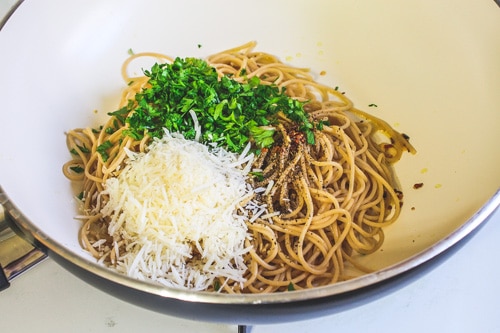
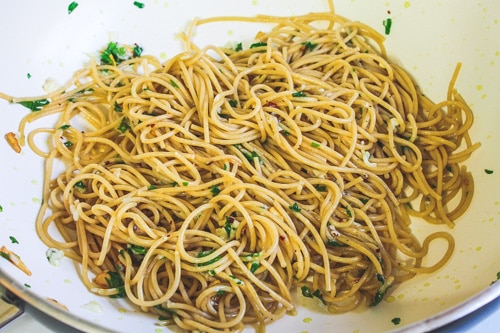
- Toss Everything Together: Add the drained pasta, fresh parsley, grated Parmesan, black pepper, and salt. Using tongs, toss vigorously and continuously for 1–2 minutes, lifting and folding the pasta through the sauce. The heat of the pasta and the starch from the water will continue to emulsify the sauce as you toss.
- If the pasta looks dry or the sauce is not silky and glossy, add more pasta water — 2 tablespoons at a time — and continue tossing. The final dish should look glossy and lightly sauced, not oily and not dry.
- Serve Immediately: Transfer to warm serving bowls. Garnish with extra grated Parmesan and a pinch more parsley.
Notes
- The garlic rescue move: If you see the garlic browning too fast, take the pan completely off the heat and set it on a cold surface. The garlic will continue cooking slightly in the residual oil heat, but the rate slows dramatically. Return to low heat only when it has settled. This saves the garlic almost every time.
- Add pasta water gradually. Start with ½ cup, toss, assess, and add more if needed. Different pasta brands release different amounts of starch, so the exact amount of water needed varies. The goal is glossy and silky, not watery.
- Toss vigorously and continuously. The emulsification happens through agitation — tossing the pasta repeatedly is what transforms separate oil and water into a unified sauce. Don’t just stir gently; toss with energy using tongs, lifting the pasta and folding it through the sauce.
- Salt the pasta water properly. Under-salted pasta water produces under-salted pasta water sauce. The water should taste pleasantly salty — not overwhelmingly so, but noticeably seasoned.
Nutrition
🔄 Variations
🍽️ What to Serve With Aglio e Olio
Aglio e olio is a complete dish on its own — pasta that is both carbohydrate and sauce in one. If you are serving it as part of a larger meal:
🧊 Storage
❓ Frequently Asked Questions
Did you try this spaghetti aglio e olio recipe? I’d love to hear about it! Leave a review in the comment section below. Tag me on Instagram @spice.up.the.curry — I love seeing your plates!

enjoying your veg receipe, the left over rice & vegetables.
reminds me of my school days,I used to make chutney & mix with rice,my brother was 5 yrs,he loved it.
my next visit to him in Dundee will be veg & rice for the cold nights& we can catch up with stories.
please send a panir- cheese receipe- I made once& the sour smell I didt like it.
Thanks you Shaney. Please check out this recipe section for paneer recipes. Or check out how to make paneer at home
Hello Kanan, welcome back !! So happy to see your posts again. Actually with the new layout of your blog it was not easy to figure out if a new post had come up but guess would need to check under the new recipes collection. Hope your house move went well and you are all settled in the new place. Hope to see your new repertoire of recipes for 2015 now!! Take care
Thank you Anjana. Yes everything went very well. Yes I have big plans for 2015. Let’s see if I can execute them. 🙂