
Methi Gota

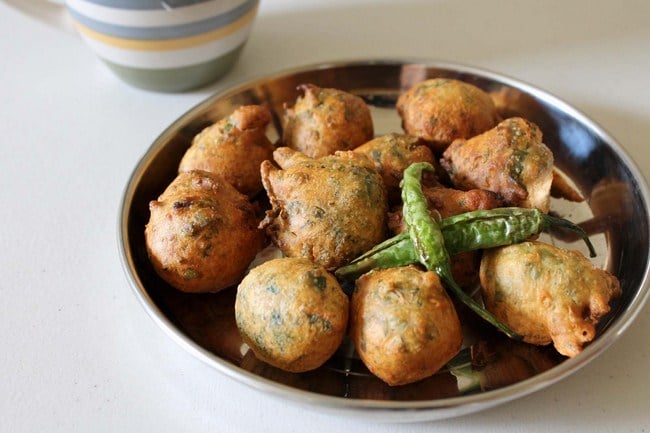
Methi Gota — the most beloved Gujarati tea-time snack — are soft, spongy, and fluffy from inside with a lightly crisp outside, made with fresh fenugreek leaves (methi) and besan (chickpea flour). One bite and you’ll understand why there’s always a crowd at every farsan shop in Gujarat the moment it starts raining!
One reader Bhavna commented “This recipe is awesome, my entire family loved it. I can have a feel of Gujarati methi na gota in USA.Thanks for posting this recipe. ⭐⭐⭐⭐⭐ “
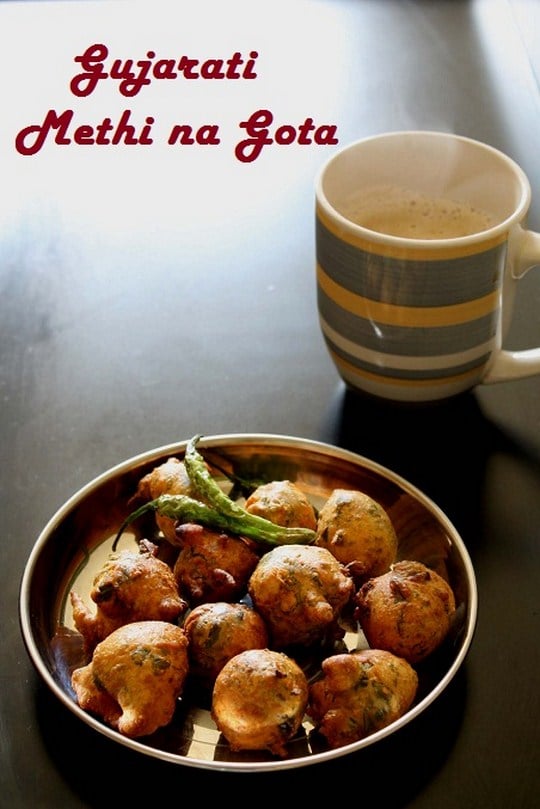
What is Methi Gota?
Methi gota is a traditional Gujarati deep-fried snack (fritter) made from besan (gram flour/chickpea flour) and fresh fenugreek leaves (methi), seasoned with whole spices and green chilies. It is one of the most iconic snacks in Gujarati cuisine — sold at every farsan shop across Gujarat and made in homes during the winter and monsoon seasons.
Breaking the name down: methi = fenugreek leaves, gota = fritters or pakoda. So methi gota literally means fenugreek leaf fritters. They are also called methi na gota, methi pakora, or methi na bhajiya depending on which part of Gujarat you are from.
What makes methi gota different from regular pakoda? This is a question I get asked a lot! Regular pakoda (Punjabi-style) has a thicker, drier batter and a crunchier texture throughout. Methi gota uses a thinner, more hydrated batter — and the technique of mixing wet ingredients first before adding the flour — which creates that signature soft, spongy, almost airy interior. The outside is lightly crisp, but the inside is nothing like a typical pakoda. Think of it as the pakoda family’s softest, fluffiest cousin.
What makes methi gota different from dakor na gota? Dakor na gota is another famous Gujarati gota variety, named after the town of Dakor (a famous pilgrimage site in Gujarat). Dakor gota is made with coarse chickpea flour, dairy (sometimes), and sugar, giving it a more dense, slightly sweet, and grainy texture. Methi gota is specifically made with fresh fenugreek leaves, is lighter in texture, and has a savory, slightly bitter flavor from the methi. The two are related but quite different in taste and texture.
About This Recipe
There is something special about biting into a hot methi na gota on a cold winter day or a rainy monsoon afternoon, with a cup of masala chai in one hand and a fried green chili on the side. That is exactly the kind of joy this recipe brings.
I first shared this recipe back in 2013 — in the early days of this blog. Over the years, this has become one of the most made recipes from this site, and the comments from readers across India and abroad genuinely make my day every time.
My key technique — wet ingredients first, flour last: Most home cooks mix dry ingredients first and then add water to make the batter. But I do it the other way around — water and oil first, then spices, then methi, and besan last. This method prevents the flour from forming dense lumps from the start and gives you a batter that stays lighter and more aerated. The result? Methi na gota that are noticeably fluffier than what you get from the usual method. Try it once and you’ll see the difference!
This methi gota recipe is:
⭐ Why You’ll Love This Recipe
Ingredient Notes
Complete list of ingredients and amounts is written in the recipe card below.
Tried this recipe? A star rating ⭐️ and a quick comment below help others (and me!) know how it went.
Methi Gota Recipe (Gujarati Methi Pakora)
US measuring cups are used (1 cup = 240 ml)
Ingredients
- 1 tablespoon Oil, + more for deep frying
- ⅔ cup Water
- a pinch Baking soda
- Salt to taste
- 1 teaspoon Sugar
- ¼ teaspoon Hing (Asafoetida)
- 8-10 Black peppercorns, lightly crushed in mortar and pestle
- 1 teaspoon Coriander seeds (sabut dhaniya), lightly crushed in mortar and pestle
- ½ teaspoon Ajwain (Carom seeds)
- 4 Green chilies, chopped finely
- ½ cup Fenugreek leaves (Methi leaves), plucked, measured, washed and chopped
- 1 cup Besan (gram flour)
Instructions
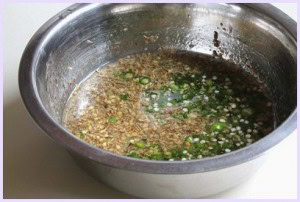
- Mix wet ingredients & spices: In a bowl, take water. Add 1 tablespoon of oil, baking soda, salt, sugar, hing (asafoetida), crushed peppercorns and coriander seeds, ajwain (carom seeds), and finely chopped green chilies. Mix everything together very well.

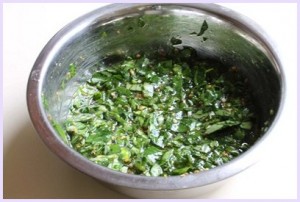
- Add in Methi leaves: Add the washed, squeezed, and chopped fenugreek leaves. Mix well to combine.
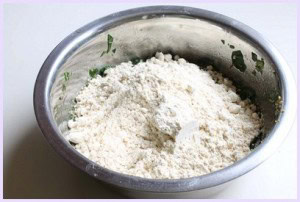
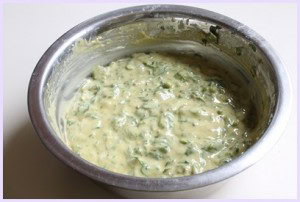
- Add Besan: Now add the besan (chickpea flour). Mix thoroughly, making sure there are no lumps. The batter should be thick — not runny, not stiff.
- Batter consistency: The batter should be thick — not runny, not stiff.
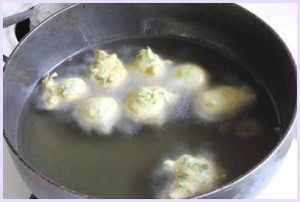
- Prep for deep frying: Heat oil in a kadai or deep pan on medium heat for deep frying. To test if the oil is ready, drop a tiny bit of batter in. It should rise to the surface within 2–3 seconds. If it sinks and takes a long time to come up, the oil is not hot enough. If it browns immediately, the oil is too hot — lower the flame.
- Deep fry methi na gota: Once the oil is at the right temperature, drop small-medium portions of batter into the oil using your hand or two spoons. – Do not make them too big — they puff up significantly while frying and will get much larger.– Do not touch or move the gota for the first 40 seconds. This is very important — moving them too early causes them to break apart in the oil. After 40 seconds, gently move them around using a slotted spoon and continue frying on medium heat, turning them to ensure even golden browning from all sides. This takes about 4–5 minutes per batch.
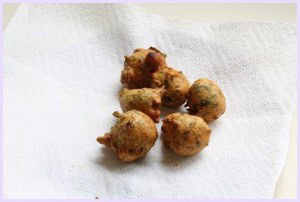
- Ready: Remove and drain on a paper towel-lined plate. Repeat for the remaining batter. Serve immediately while hot!
Notes
- Let the oil come back to temperature between batches. After each batch, the oil temperature drops slightly. Wait 30–60 seconds before dropping the next batch so the oil is back at the right temperature. If you add batter to cool oil, the gota turn out greasy and heavy.
- Gota will puff up significantly. Keep the size of each piece small-medium when you drop them in the oil. They look small going in and come out much bigger!
- How to make fried green chili (the traditional side): Wash and completely dry the whole green chilies. Make a slit down the side of each one. Deep fry in hot oil for just a few seconds until the skin blisters and starts to change color. Remove immediately — they cook very fast. Sprinkle a little salt over them.
Nutrition
💡 Expert Tips for the Fluffiest Methi Gota
🍽️ How to Serve Methi Gota
🧊 Storage
Methi gota are genuinely best eaten hot, straight from the kadai — they lose their magic quickly. Here is the honest truth about storing them:
❓ Frequently Asked Questions
Check Out More Gujarati and Methi Recipes
Did you try this recipe? I’d love to hear about it! Leave a review in the comment section below. If you’re sharing it on your Instagram then don’t forget to tag me @spice.up.the.curry
Follow me on all of the platforms below.

Very nice simple recipe love it 😍
Glad that you liked.