
Janmashtami Recipes (Prasad + Fasting)

Krishna Janmashtami 2026 falls on Friday, 4 September 2026. The Nishita Kaal puja muhurat — the sacred midnight window in which Lord Krishna is believed to have been born — is from 11:57 PM on 4 September to 12:43 AM on 5 September.
Note: Some Vaishnava and ISKCON traditions observe on Saturday, 5 September 2026. Both dates are correct — follow your family’s parampara or local temple calendar.
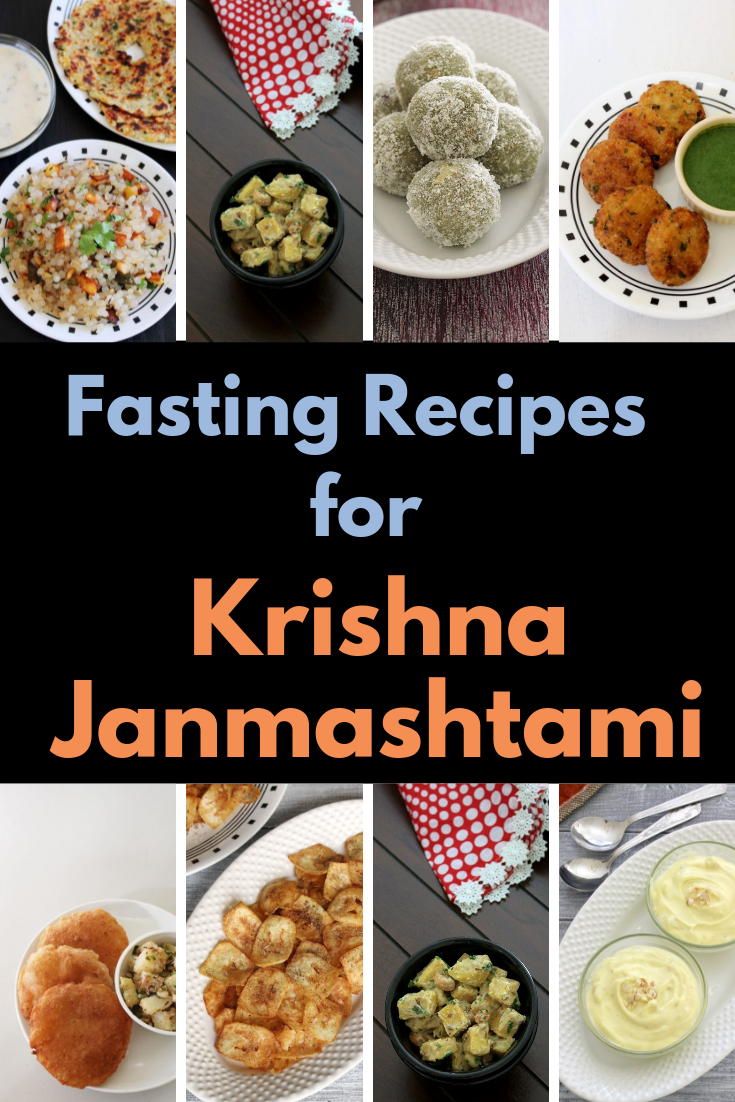
This is the complete collection of Janmashtami recipes from this blog — prasad to offer Lord Krishna, fasting snacks to keep you going through the day, complete vrat meals, and sweets and desserts made with fasting-friendly ingredients.
What is Janmashtami?
Krishna Janmashtami, also known as Gokulashtami or Krishnashtami, commemorates the birth of Lord Krishna, the eighth and most beloved avatar of Lord Vishnu. According to Hindu belief, Lord Krishna was born at midnight in Mathura to Devaki and Vasudeva.
The festival is observed with fasting, midnight puja, aarti, bhajans, temple visits, and devotional gatherings. In many homes, a small cradle (jhula) is decorated for Bal Gopal, and devotees offer makhan-mishri, fruits, sweets, and panchamrit.
In Mathura and Vrindavan — the towns where Krishna is believed to have spent his life — celebrations stretch across several days, with elaborately decorated jhankis (tableaux), Bhagavad Gita recitations, and all-night kirtans.
The festival is also known as Gokulashtami (in South India, especially Tamil Nadu), Krishna Jayanthi (Andhra Pradesh, Karnataka), and Krishnashtami across different regions of India.
What is Janmashtami Vrat?
Devotees observe a strict fast on Janmashtami, abstaining from regular food — and sometimes water — until midnight, the time when Lord Krishna was born. The fast is broken after the midnight birth celebration and aarti.
During the Janmashtami fast, the diet is traditionally Sattvic — pure foods only. Allowed foods include fresh fruits, milk, curd, makhana (fox nuts), sabudana (tapioca pearls), and ingredients like kuttu atta (buckwheat flour), singhara atta (water chestnut flour), and rajgira (amaranth flour). Regular grains (wheat, rice, lentils), common salt, onion, and garlic are avoided.
Rock salt (sendha namak) is used in place of regular salt in all fasting recipes.
The fast is strictly kept by the most devout and is not advisable for children, the elderly, pregnant women, or anyone on medication.
Janmashtami Prasad — What to Offer Lord Krishna
The heart of a home Janmashtami puja is the abhishek — bathing a small Laddu Gopal idol in panchamrit (milk, curd, honey, ghee, and sugar) before dressing him, placing him in a decorated jhula (cradle), and rocking him at the stroke of midnight. Offerings typically include makhan (white butter), mishri, panchamrit, tulsi leaves, and an array of milk-based sweets like peda and kheer — all considered dear to Krishna’s childhood.
- Makhan Mishri (Lord Krishna’s most beloved offering): White butter (makhan) is made by whipping malai (cream) until the butter separates and the buttermilk is drained. Mishri (rock candy, also called khadi sakar) is mixed into the fresh white butter and offered as prasad. This is Krishna’s most iconic food — he is famously the “Makhan Chor” (butter thief) of Gokul.
- Dhaniya Panjiri (a traditional Janmashtami prasad): Roast ½ cup of coarsely ground fresh coriander powder in 1–2 tablespoons of ghee on low heat until fragrant. Let it cool completely, then mix in ¼ cup powdered sugar, chopped almonds, cashews, and raisins. Some families also add desiccated coconut. This is distributed as prasad after the midnight puja.
- Panchamrut: A must-have on every Janmashtami puja thali — the sacred five-ingredient offering made from milk, curd, honey, ghee, and sugar. Used for the abhishek (ritual bathing of the idol) and then distributed as prasad.
- Milk Peda: Soft, milk-based sweets — one of the most traditional Janmashtami prasad offerings.
- Kalakand: A grainy, rich milk-based sweet. Excellent as Janmashtami prasad.
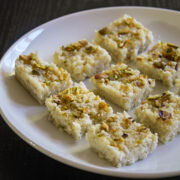
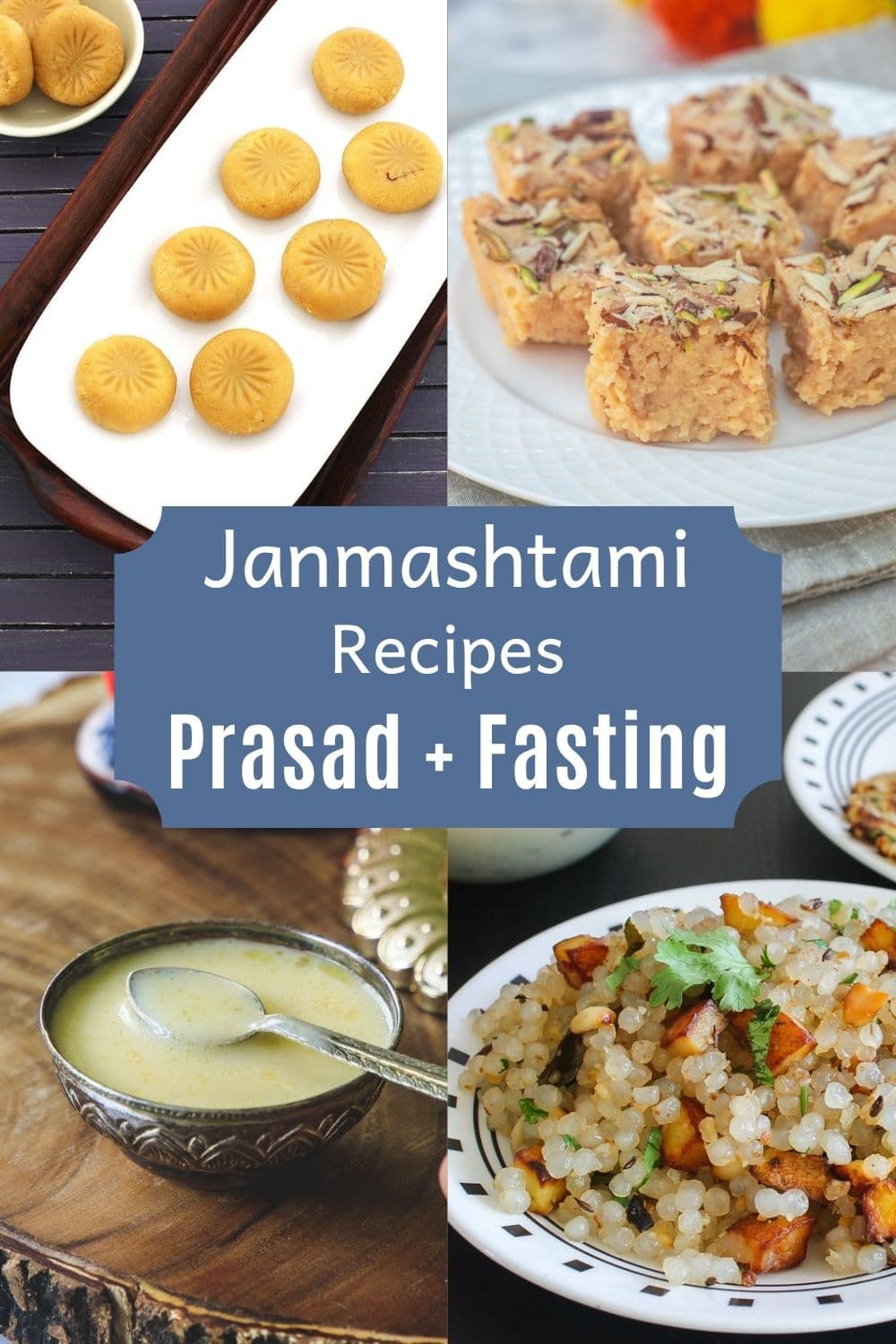
- Shrikhand: A thick, strained yogurt dessert sweetened with sugar and flavored with saffron and cardamom. Made from dairy, making it a natural prasad choice.
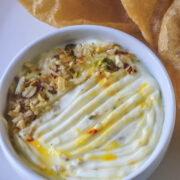
- Fruits and dry fruits: Fresh seasonal fruits and a plate of mixed dry fruits are always included on the prasad thali alongside sweets.
10 Janmashtami Snacks Recipes
These snacks are made with fasting-approved ingredients and give you the energy to stay on your feet through the long day of fasting. Some can be made ahead; others are best eaten hot.
- Sabudana Vada – Crispy, perfectly fried patties made from soaked tapioca pearls, crushed roasted peanuts, and mashed potato. One of the most popular Janmashtami and Navratri fasting snacks. The recipe includes the method for both deep-fried and non-fried versions.
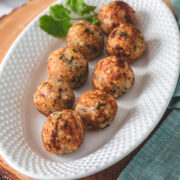
- Farali Batata Vada A vrat-friendly version of the classic batata vada — made without onion, garlic, or regular flour. Boiled potato filling seasoned with fasting-approved spices, coated in a singhare ka atta (water chestnut flour) batter and fried until golden. Filling and satisfying.
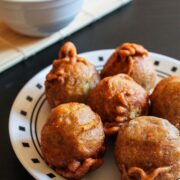
- Sweet Potato Tikki Crispy tikkis made from boiled and mashed sweet potato, seasoned simply with sendha namak and mild spices. A healthy, naturally sweet fasting snack that is also genuinely filling. Serve with farali coconut chutney.
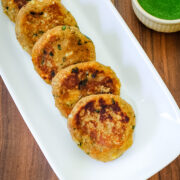
- Suran Chips Thinly sliced elephant foot yam (suran/jimikand) seasoned and deep-fried until golden and crispy. An unusual and excellent vrat snack that most people haven’t tried. Suran is allowed during Hindu fasting and takes on a wonderful crispy-savory character when fried.
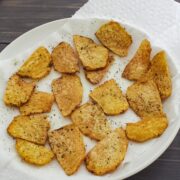
- Banana Chips (Raw Banana Wafers) Thin, crispy raw banana (plantain) chips seasoned with sendha namak and black pepper. Raw banana is fasting-approved and makes an excellent light snack. Can be made in bulk a few days ahead — stores well in an airtight container.
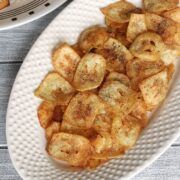
- Sabudana Chivda Made in advance and stored in an airtight container — ideal for snacking throughout a long fast day.
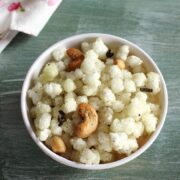
- Makhana Namkeen (Roasted Makhana) Makhana is one of the most beloved and recommended fasting foods — light, easily digestible, and high in protein. This roasted version is a satisfying snack that you can make in bulk and keep ready throughout the fast.
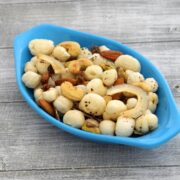
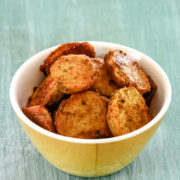
- Sukhi Arbi Fry Boiled taro root (arbi/colocasia) sliced and pan-fried with sendha namak and mild spices until lightly crispy. Works as a snack or alongside a vrat meal.
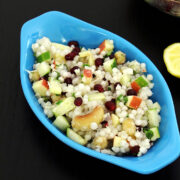
- Sabudana Salad Ready in minutes and a wonderful light option during a long fasting day when you want something cool and refreshing rather than fried.
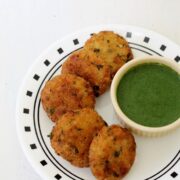
- Sama Ke Chawal Ki Tikki (Samvat Rice Cutlet) Crispy on the outside, soft inside — tikkis made from cooked samvat rice (barnyard millet), which is one of the grain alternatives allowed during Hindu fasting. Serve hot with farali chutney.
10 Fasting Meal Ideas (Complete Vrat Thali Combinations)
When you’re fasting all day, a proper vrat meal at the right time makes a big difference. Here are 10 complete meal pairings — each one is a satisfying combination of a main dish and an accompaniment.
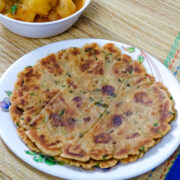
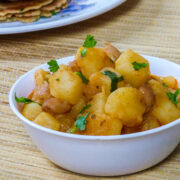
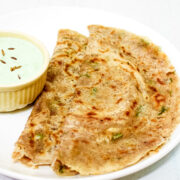
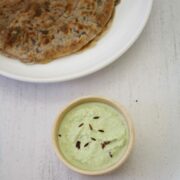
- Rajgira Paratha + Vrat wale Aloo ki sabzi A soft, lightly spiced paratha made from amaranth (rajgira) flour and boiled potato, served alongside a simple potato sabzi seasoned with sendha namak and mild spices. A hearty, energy-sustaining fasting meal.
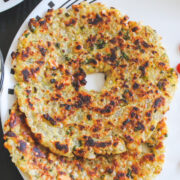
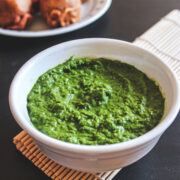
- Sabudana Thalipeeth + Farali Chutney A savory, crispy pancake made from soaked sabudana, mashed potato, peanuts, green chili, and cilantro — cooked on a tawa until golden. Served with farali cilantro chutney. A popular Maharashtrian vrat breakfast that also works as a full meal.
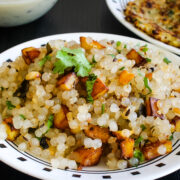
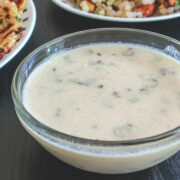
- Sabudana Khichdi + Rajgira Kadhi The most classic vrat meal pairing — tapioca pearl khichdi with crushed peanuts and mild spices, served alongside a thin, light kadhi made from rajgira (amaranth) flour and yogurt. Cooling, satisfying, and easy to digest.
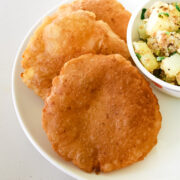
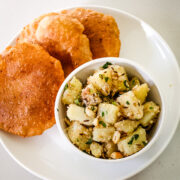
- Rajgira Puri + Farali Sukhi Bhaji Puffed amaranth flour pooris served with a Gujarati-style dry potato sabzi flavored with peanuts and dry coconut. A festive, filling vrat meal that feels like a proper feast.
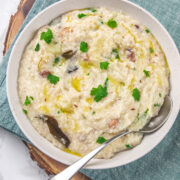
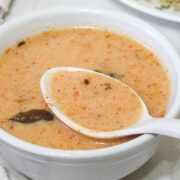
- Moraiyo Khichdi + Singhare Ki Kadhi Khichdi made from barnyard millet (sama/moraiyo) — one of the approved fasting grains — paired with a thin, tangy kadhi made from water chestnut flour (singhare ka atta). A comforting, wholesome combination.
- Sabudana Dosa + Farali Coconut Chutney A South Indian-inspired vrat option — dosa batter made from soaked and blended tapioca, cooked until crispy on a hot tawa. Served with farali coconut chutney. A wonderful option if you are fasting and craving something different from the usual paratha-or-khichdi meals.
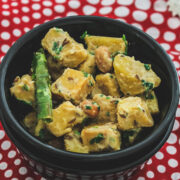
- Dahi Aloo + Singhare Ki Poori Boiled potato cubes simmered in a simple yogurt-based gravy (vratwale dahi aloo), served with puffed pooris made from singhare ka atta. Light, cooling, and satisfying — the yogurt in the aloo provides protein and probiotics during a long fast.
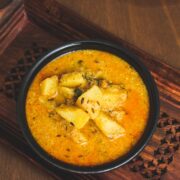
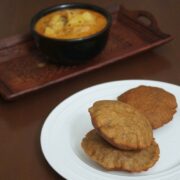
- Dahi Arbi + Kuttu Ki Poori Boiled taro root simmered in a yogurt gravy, served with puffy buckwheat flour pooris. Kuttu atta is naturally warming and is traditionally paired with cooling yogurt-based dishes to balance its heating effect on the body.
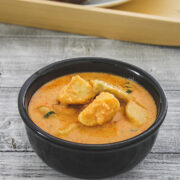
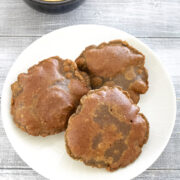
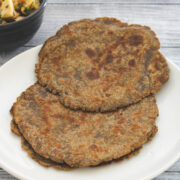
- Kuttu Ka Paratha + Suran Ki Sabzi Buckwheat flour parathas served with elephant foot yam (suran) sabzi in a dahi-based gravy. A hearty, filling meal for those who are working through the fast and need sustained energy.
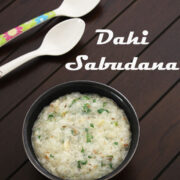
- Dahi Sabudana + Sukhi Arbi Soaked sabudana cooked in a thin yogurt gravy — light, easily digestible, and very cooling. Served alongside crispy pan-fried arbi for some texture contrast. A gentle, restorative meal — especially good if you are fasting and feeling tired in the afternoon.
10 Janmashtami Sweets and Desserts
During Hindu fasting, dairy products, fruits, and fasting-approved flours are all allowed — which means a wide range of sweets and desserts can be made and enjoyed. Here are 10 options from the blog.
- Makhana Kheer Rich, creamy kheer made by simmering whole fox nuts (makhana) in full-fat milk until they soften and the milk thickens. Sweetened with sugar and flavored with cardamom and saffron. One of the most popular and beautiful Janmashtami sweets.
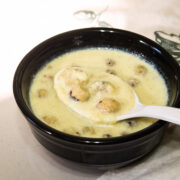
- Sabudana Kheer A thick, creamy kheer made from soaked tapioca pearls, full-fat milk, and sugar. The sabudana swells and becomes translucent as it cooks, giving the kheer a beautiful texture. Fragrant with cardamom and garnished with crushed cashews and almonds.
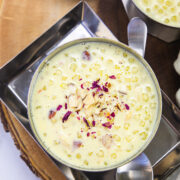
- Vrat Ke Chawal Ki Kheer (Samvat Rice Kheer) The millet gives it a slightly different, more textured quality than regular rice kheer.
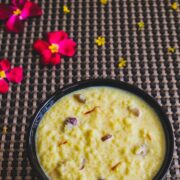
- Lauki Ki Kheer (Dudhi Kheer) A gently sweet, light kheer made from grated bottle gourd (lauki/dudhi) cooked down in full-fat milk. The lauki melts almost entirely into the milk, leaving a subtly flavored, very digestible sweet that is excellent for breaking a long fast gently.
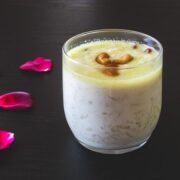
- Sweet Potato Kheer (Shakarkandi Kheer) A beautifully rich, naturally sweet kheer made from grated sweet potato cooked in milk. The sweet potato adds a natural caramel-like sweetness that pairs beautifully with cardamom and saffron.
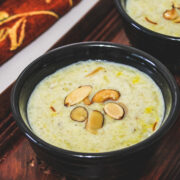
- Rajgira Sheera (Amaranth Halwa) A warm, comforting halwa made from amaranth (rajgira) flour roasted in ghee and cooked with milk and sugar. Light and easy to digest — excellent for breaking the fast at midnight.
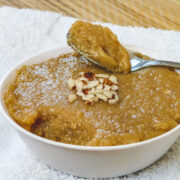
- Singhare Ka Halwa A dense, rich halwa made from water chestnut flour (singhare ka atta) roasted in ghee with sugar and water. It has a slightly grainy, dense texture that is satisfying and warming — traditionally made during Janmashtami and Navratri.
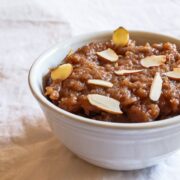
- Papaya Halwa (Papite Ka Halwa) A less common but wonderfully fresh halwa made from ripe papaya cooked down with ghee, sugar, and cardamom. The papaya breaks down into a silky, naturally sweet halwa that is quite different from grain-based halwas.
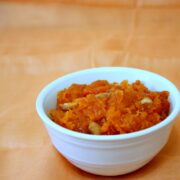
- Dudhi Halwa (Lauki Halwa) A rich, creamy halwa made from grated bottle gourd slow-cooked in full-fat milk and ghee with sugar and cardamom. One of the most classic Indian halwas and a perfect fasting dessert — lauki is both allowed during fasting and easy to digest.
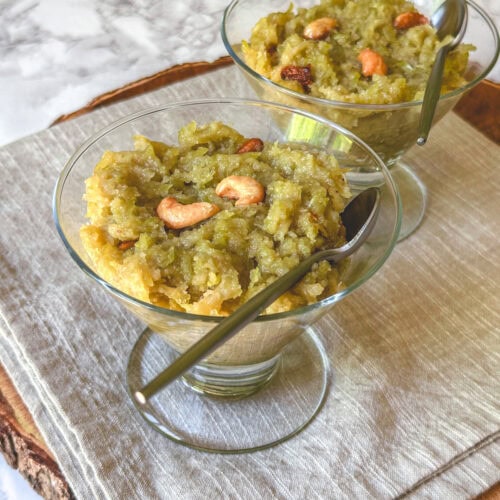
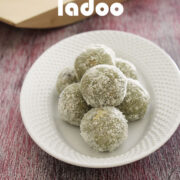
- Sweet Potato Ladoo (Shakkarkand Ke Laddu) Soft, moist ladoos made from boiled and mashed sweet potato, sweetened with jaggery or sugar and flavored with cardamom. A healthy, naturally sweet option for Janmashtami prasad — no grain flour, no dairy required.
Radhe Radhe! Wishing you and your family a blessed and joyful Janmashtami 2026! 🙏
This post is updated annually before the festival season. Last updated: August 2026.
More Festival Recipe Collections
- Ganesh Chaturthi Recipes (Maharashtrian)
- Modak Recipes — All 12 Varieties
- Navratri Fasting Recipes
- Diwali Snacks
- Diwali Sweets

sso nice recipes with different varieties